Collekton Exhibition
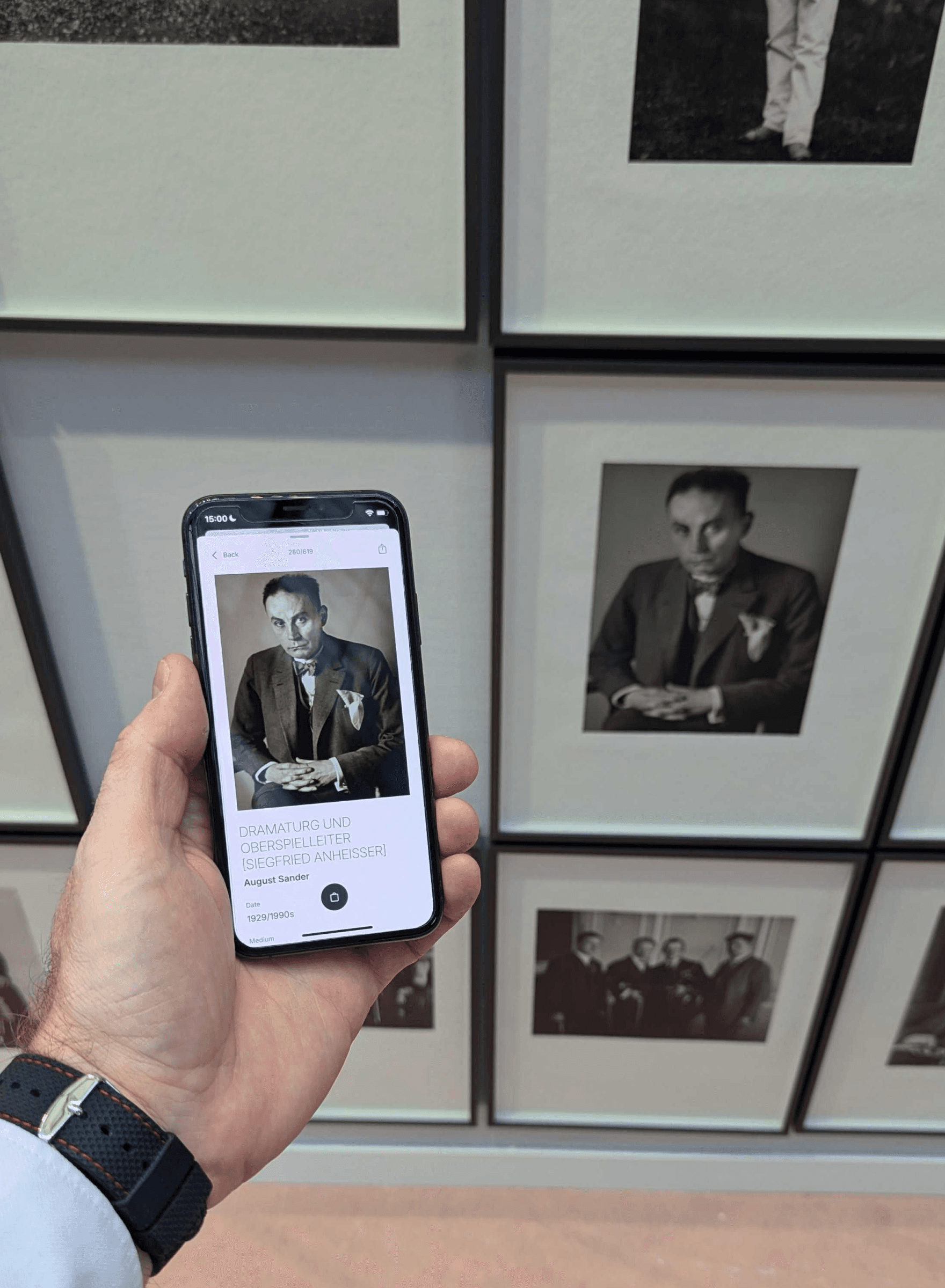
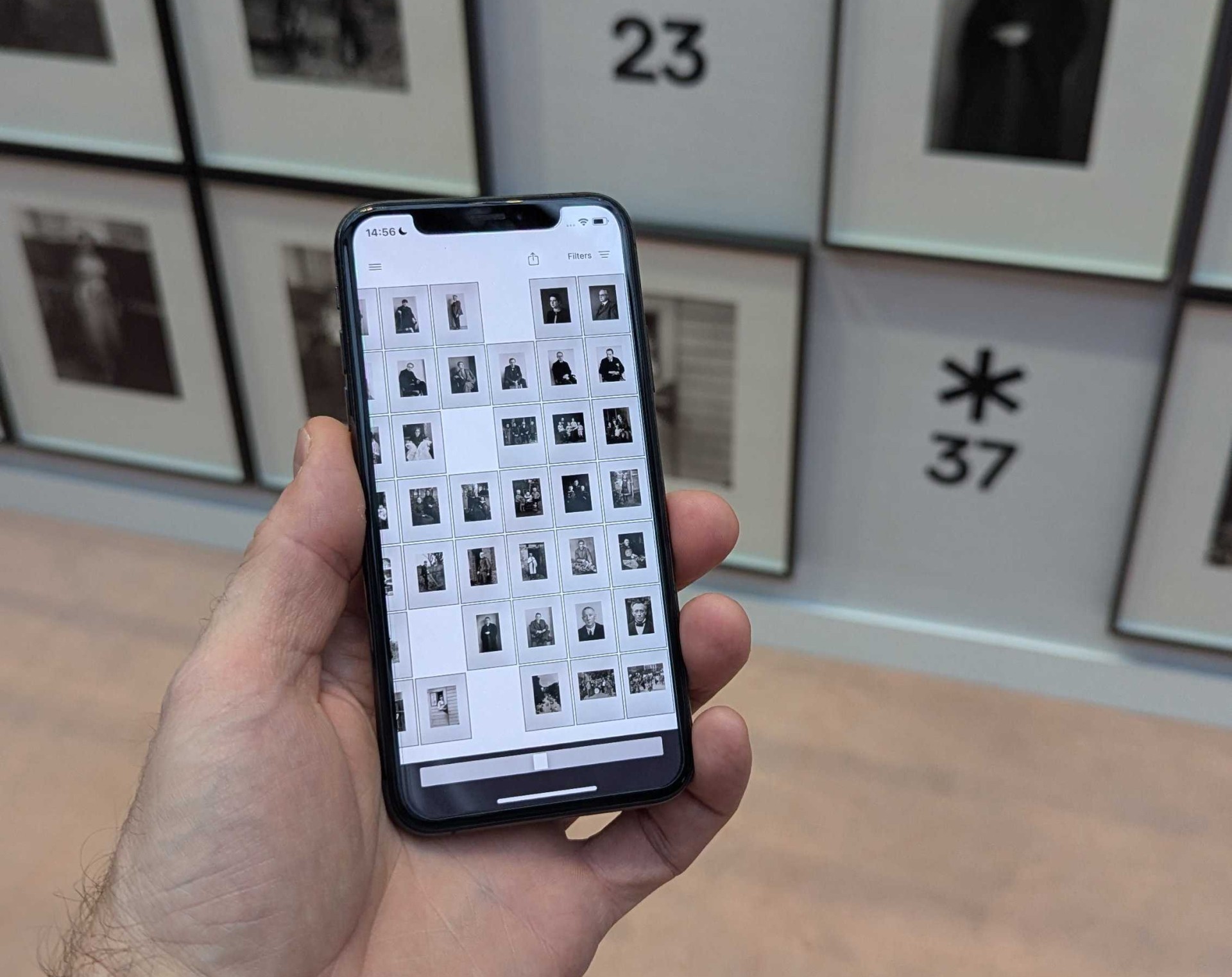
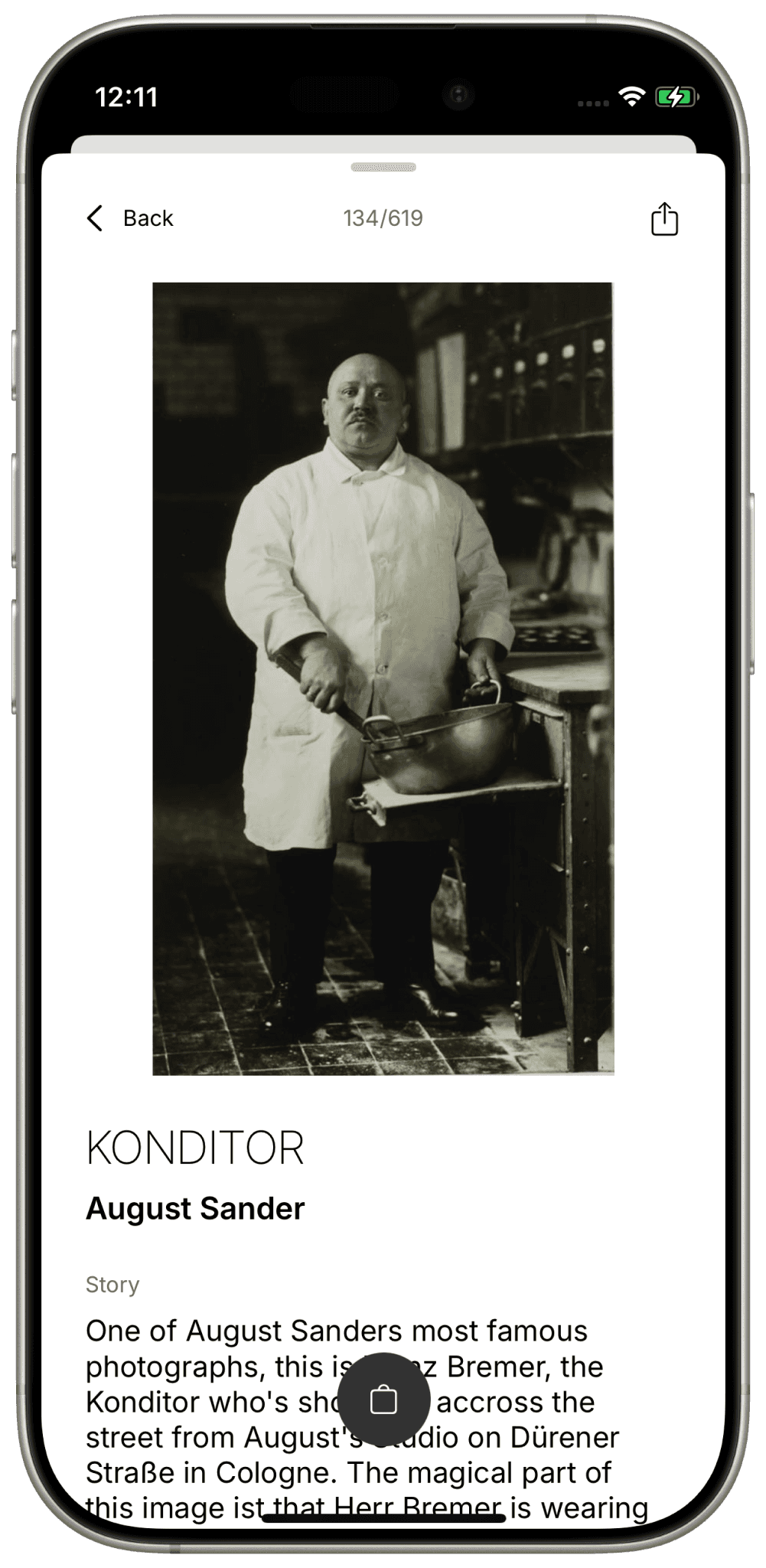
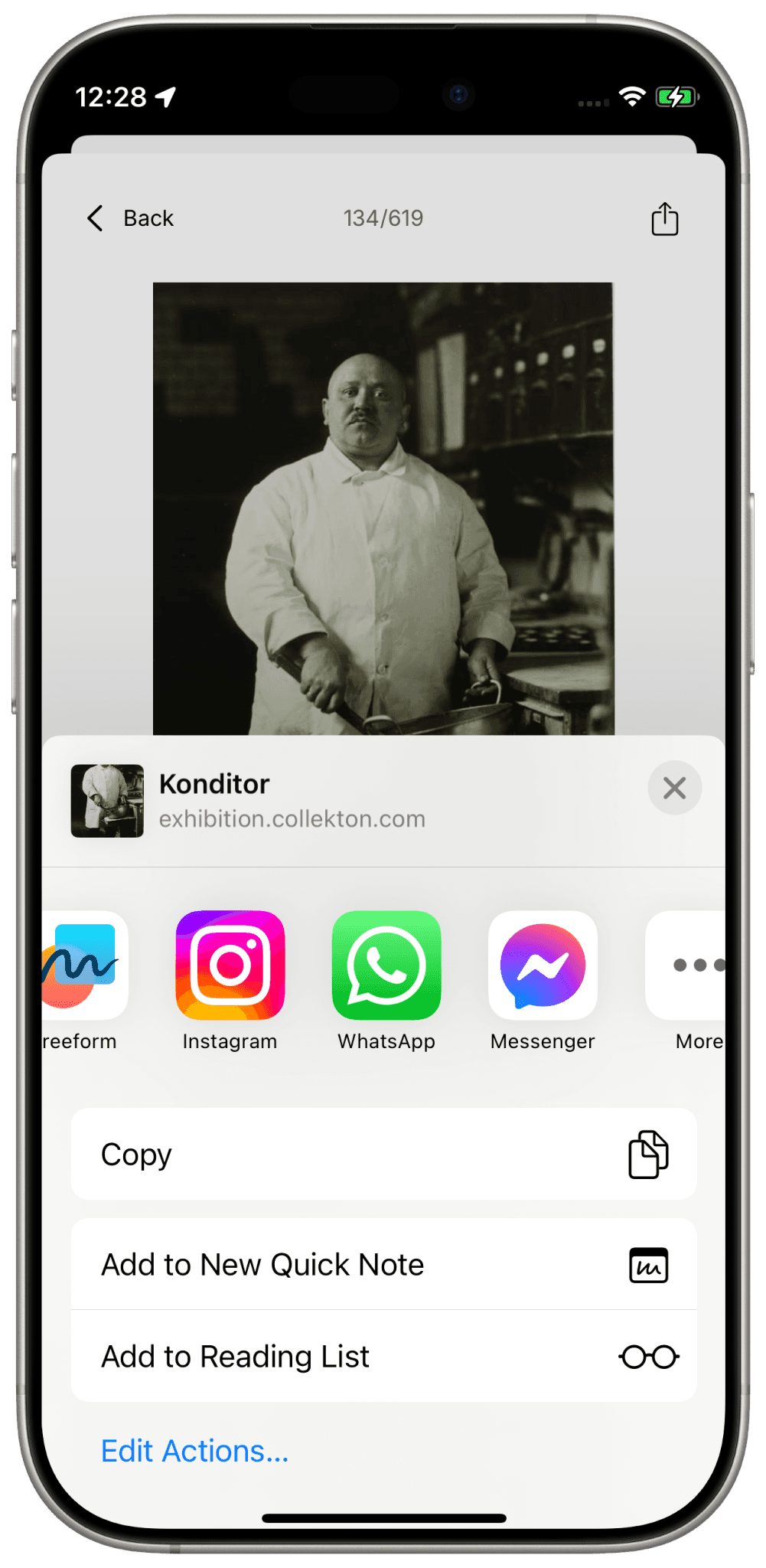
An iOS app that enriches real exhibitions. It shows more information than the standard plaque and even lets you buy the art, then and there.
You can use the device's location to find exhibitions near you.
#ux #ui #typography #prototype
In Collaboration with:
Framing
Challenge
Create an iOS application from scratch in time for Paris Photo 2024 (timeframe was only three months). Connect to existing database. Over 600 photos at launch.
Solution
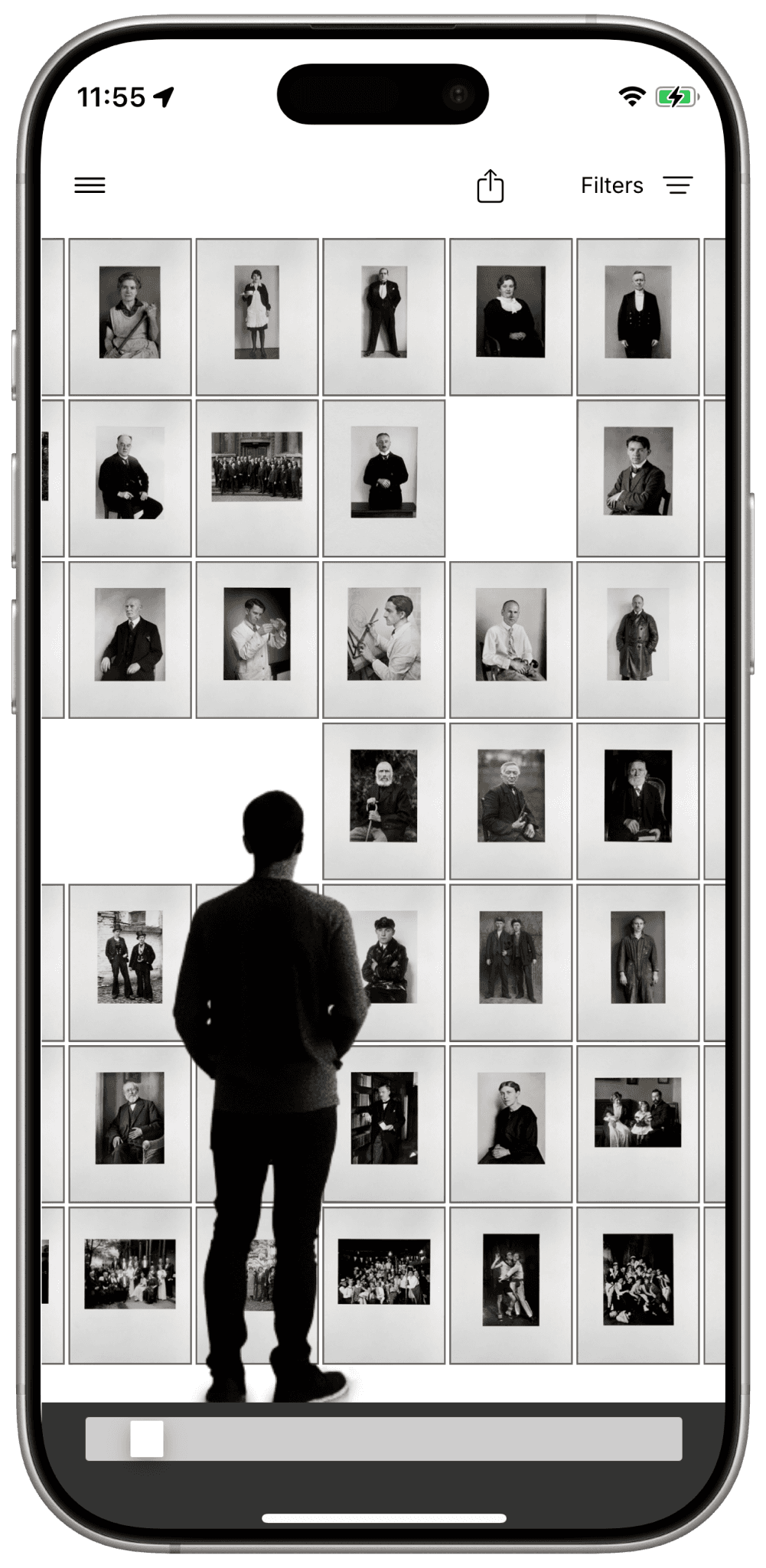
A dynamic application that can update content, pricing and entire exhibitions at a moments notice. Intuitive and snappy navigation philosophy with minimalistic but memorable visuals.
UX, Research and Kickoff
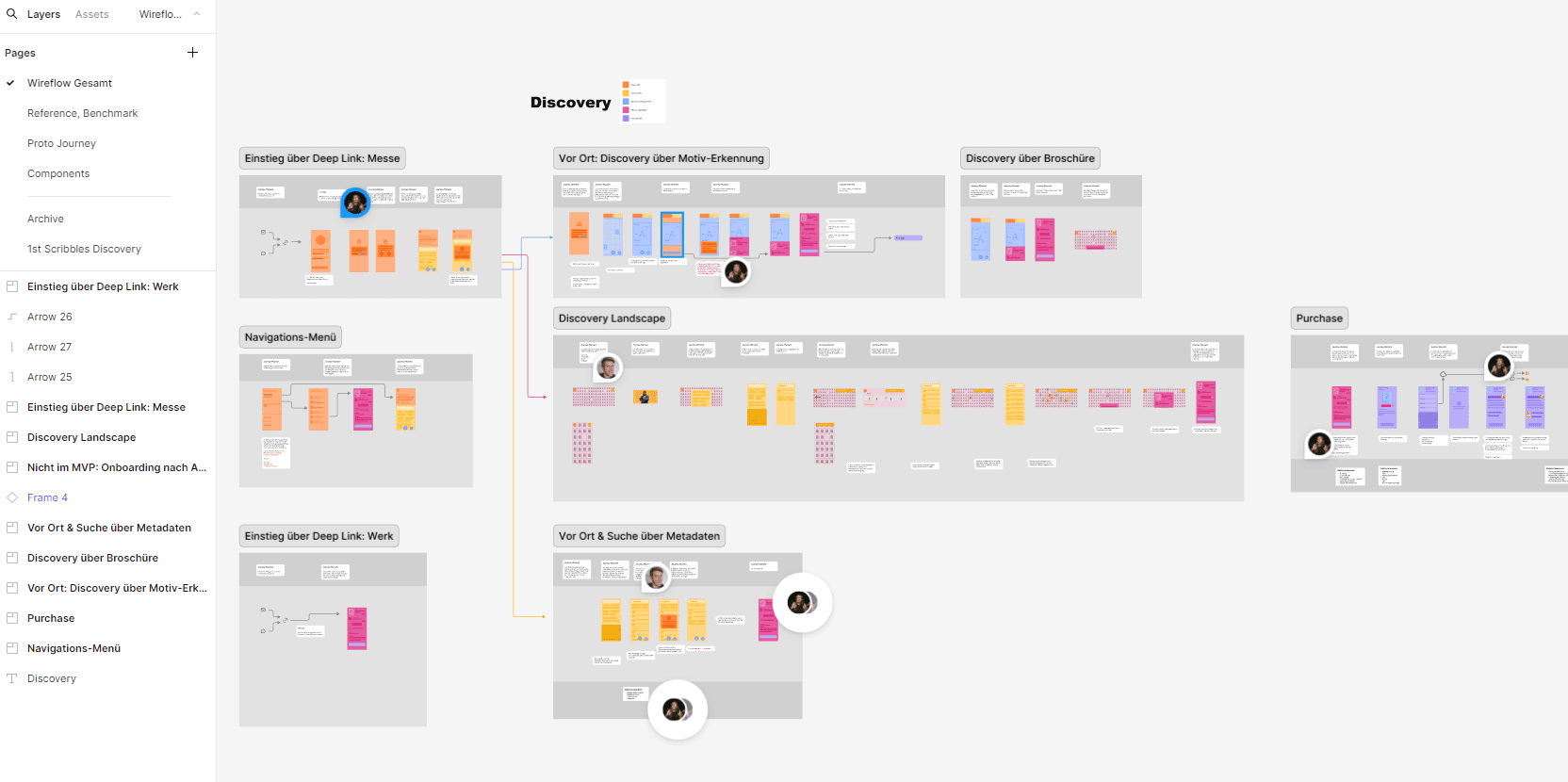
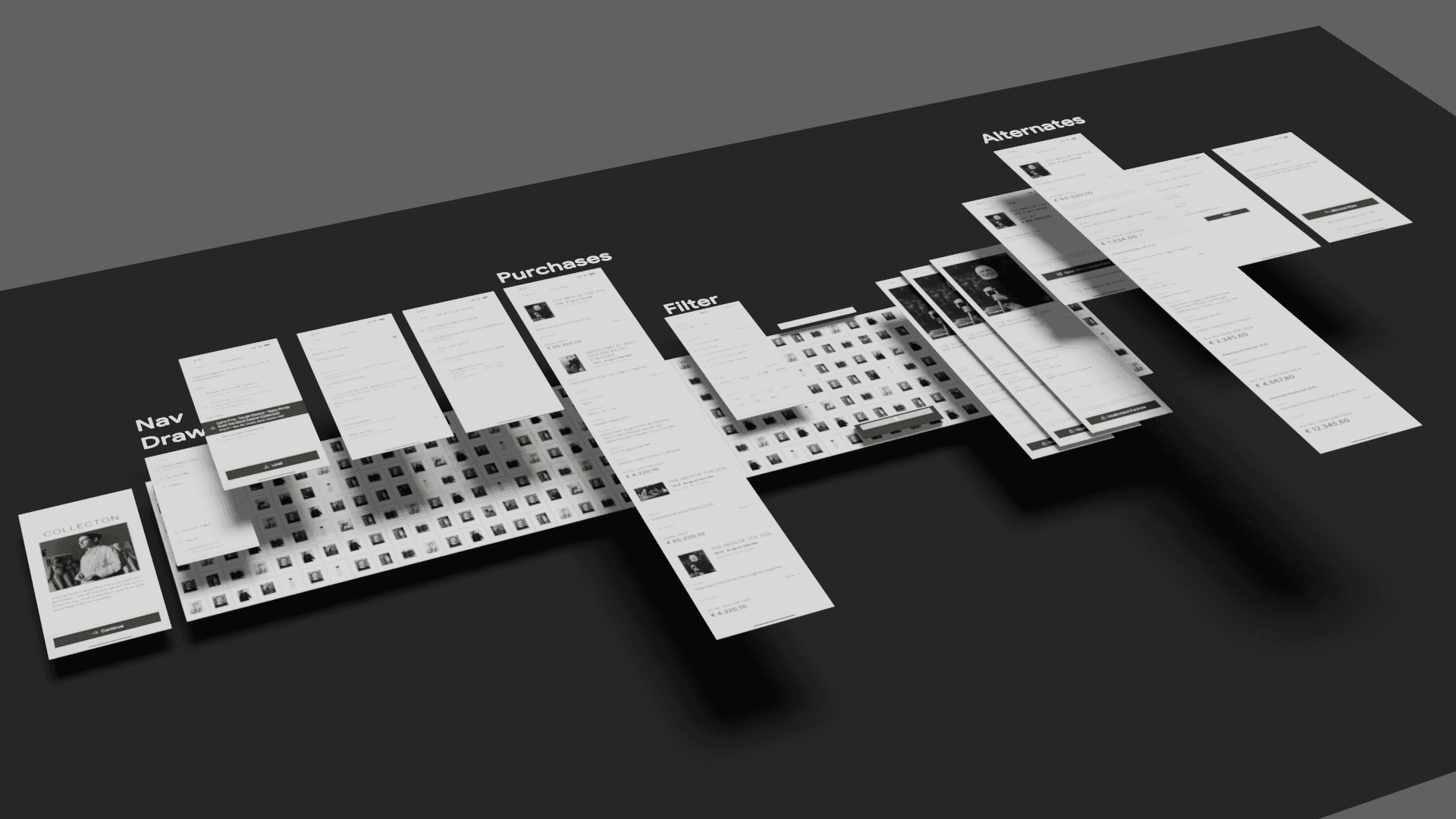
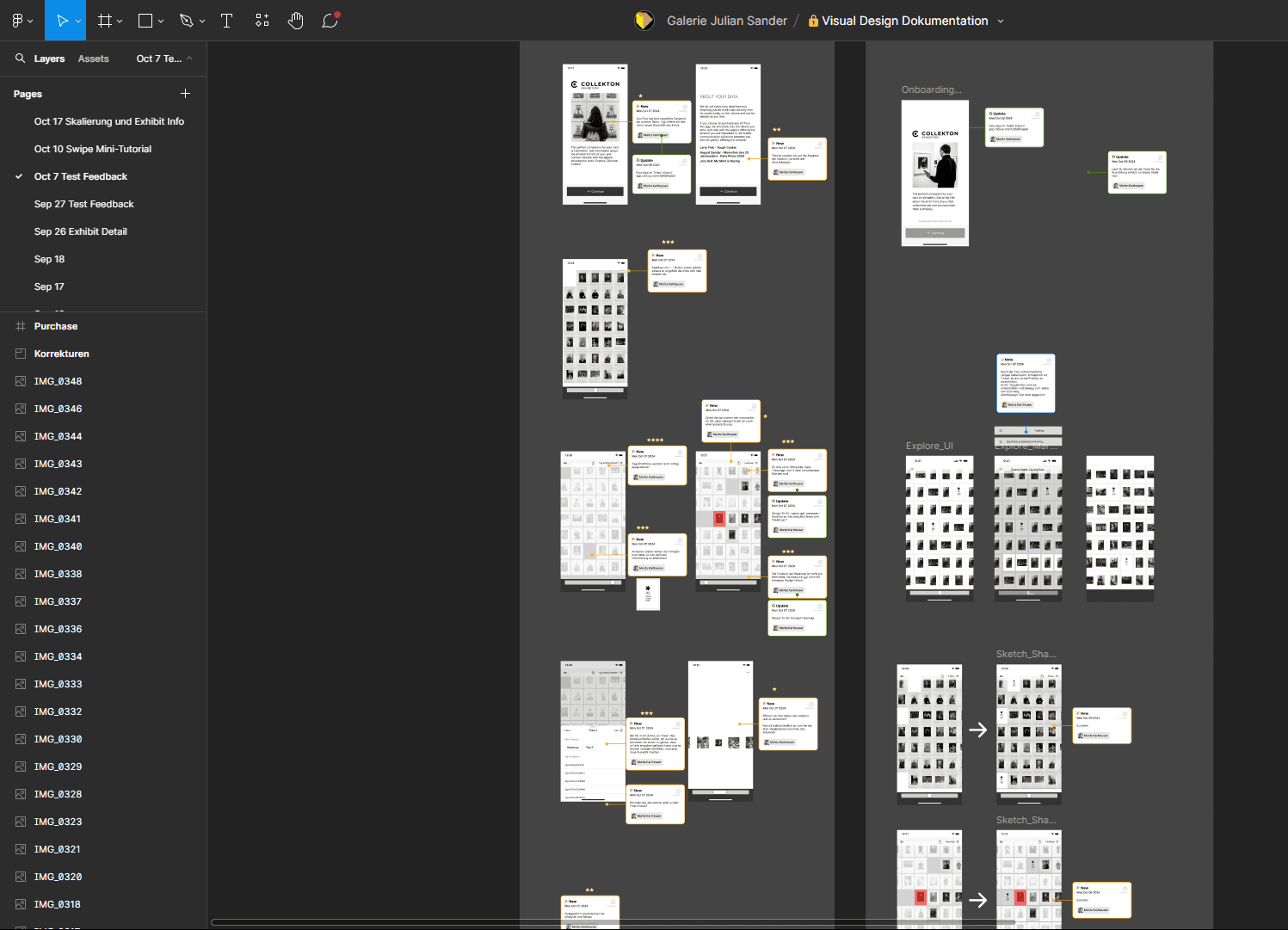
After mapping the user journey, I designed the navigation concept. In close communication with Julian Sander and Gate5 (the development team) we prioritized features and streamlined navigation.
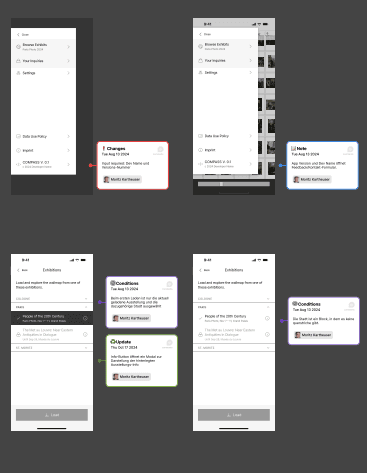
A quick turnaround of these diagrams within the first week after kickoff ensured efficient communication between departments:
Project Management, Development, Design and external stakeholders. The individual screens consisted of simple blocks, but were detailed enough to conduct expert interviews in order to test the cognitive model of the app.
Prototype
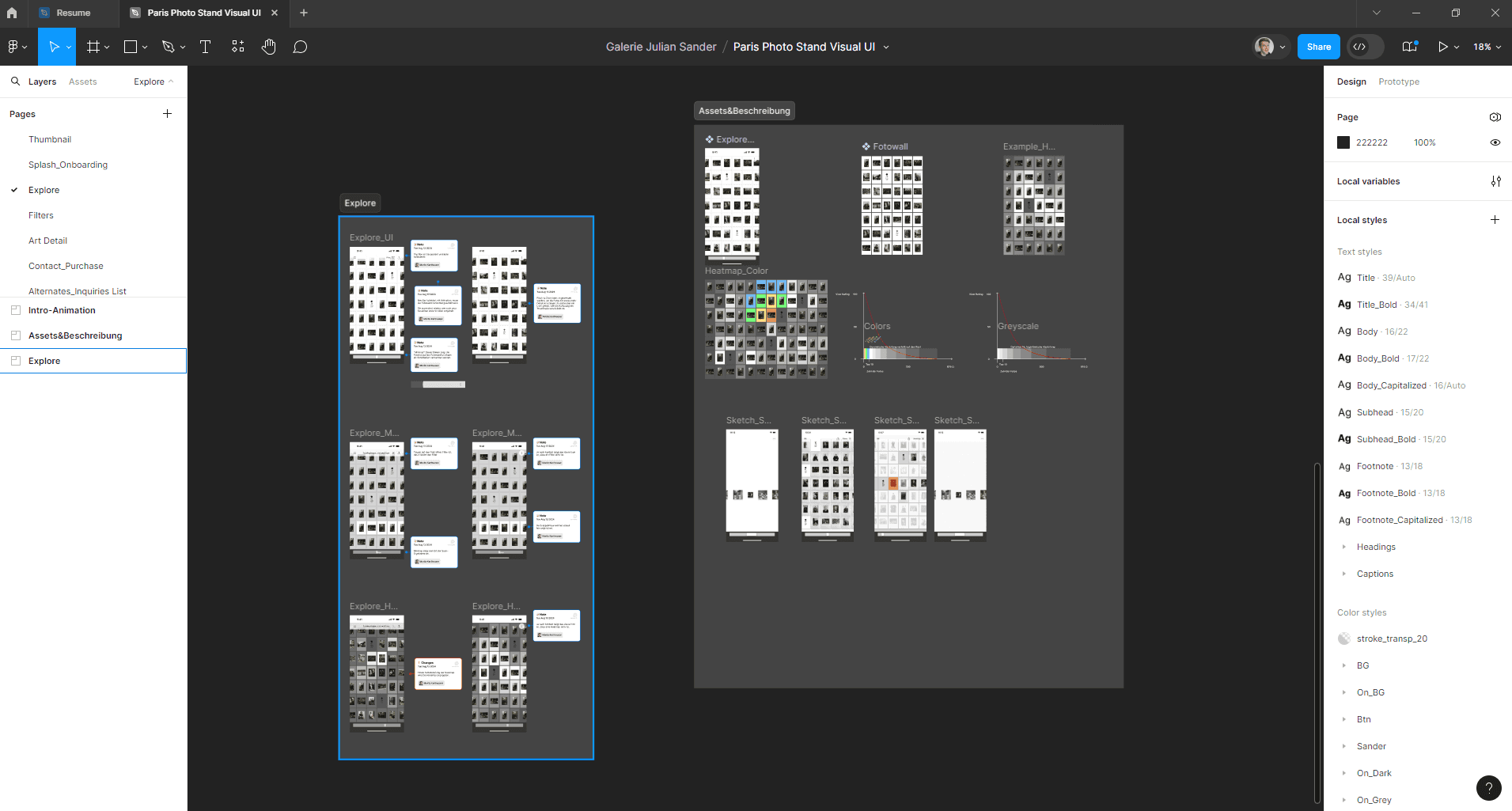
I used Figma to emulate interactions and animations on iOS 17, so we could make the most use of native development.
Rapid prototyping helped in two ways:
Accurate estimate of the workload early on in order to prioritize the requirements and staff the development team.
Testing early and often so the navigation concept could be as distilled and intuitive as possible.
Visual Design
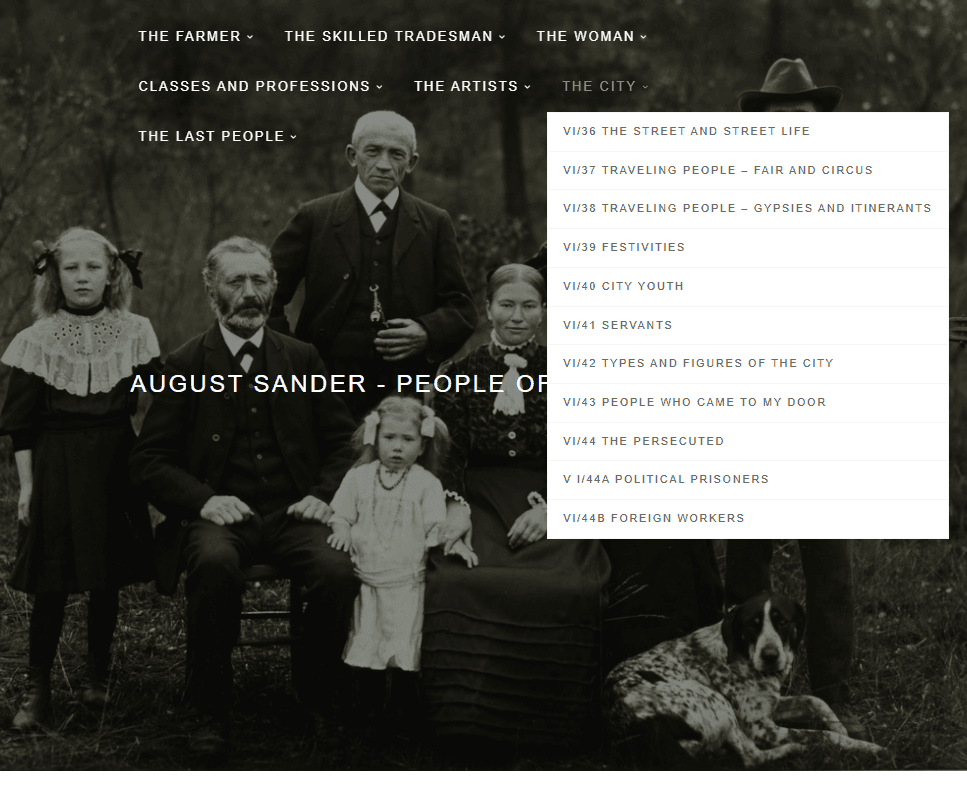
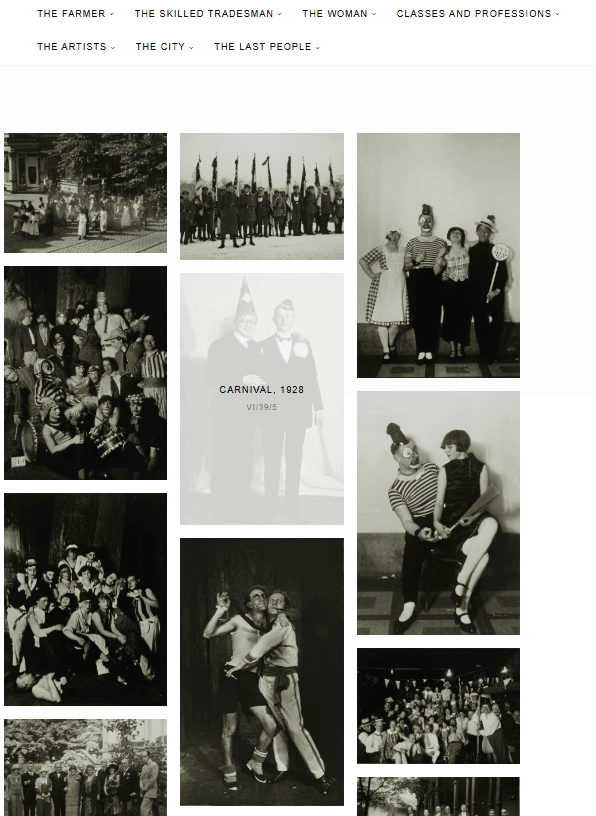
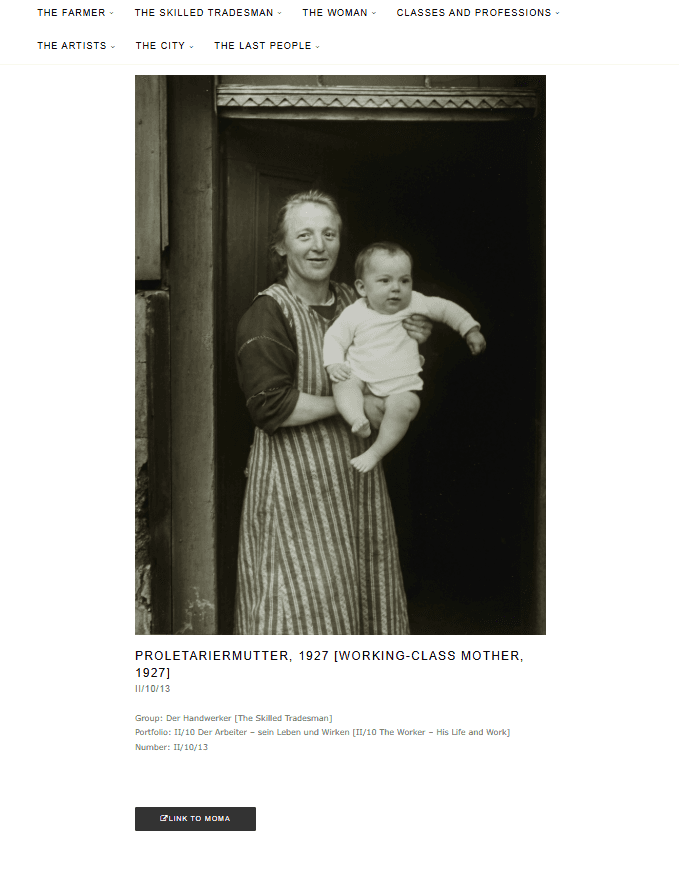
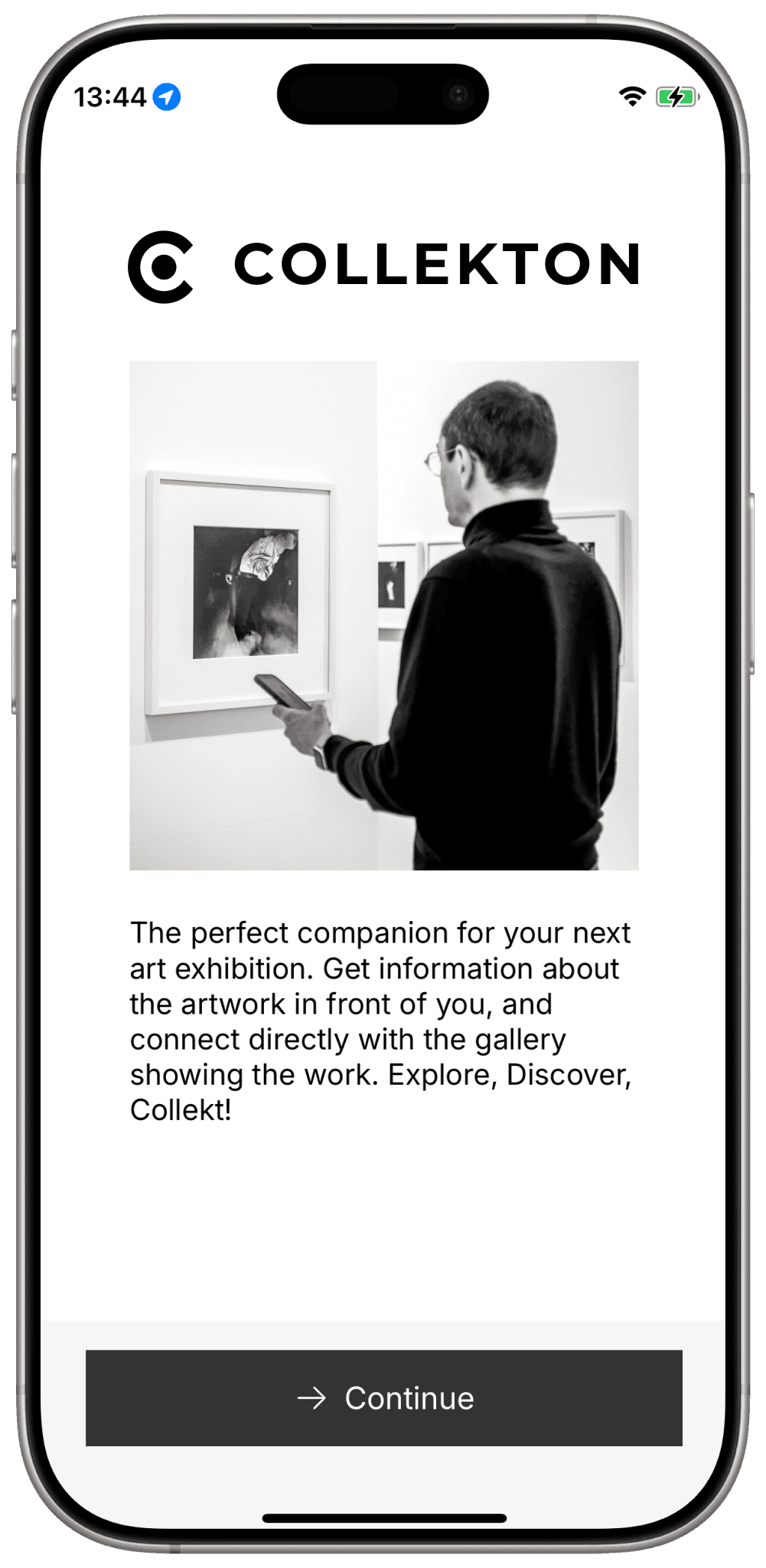
The gallery already had a strong visual representation on the web but not as much in the mobile space.
My challenge was to translate between the two. The app, as a representative of this new Collekton platform was meant to remind the viewer of Sander’s brand, but at the same time be its own visual entity.
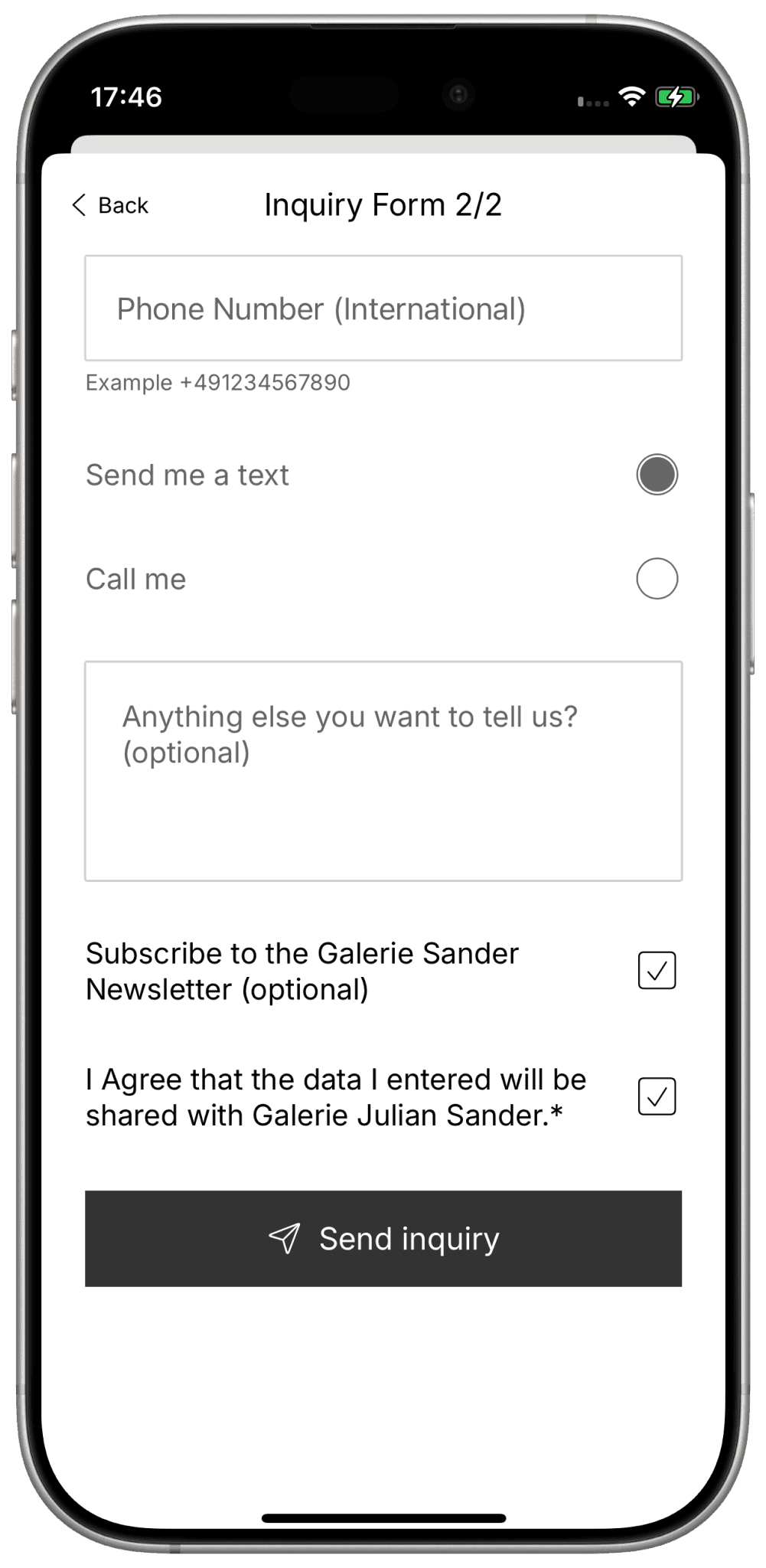
The typography changed quite a bit in order to be optimally legible on iPhones.
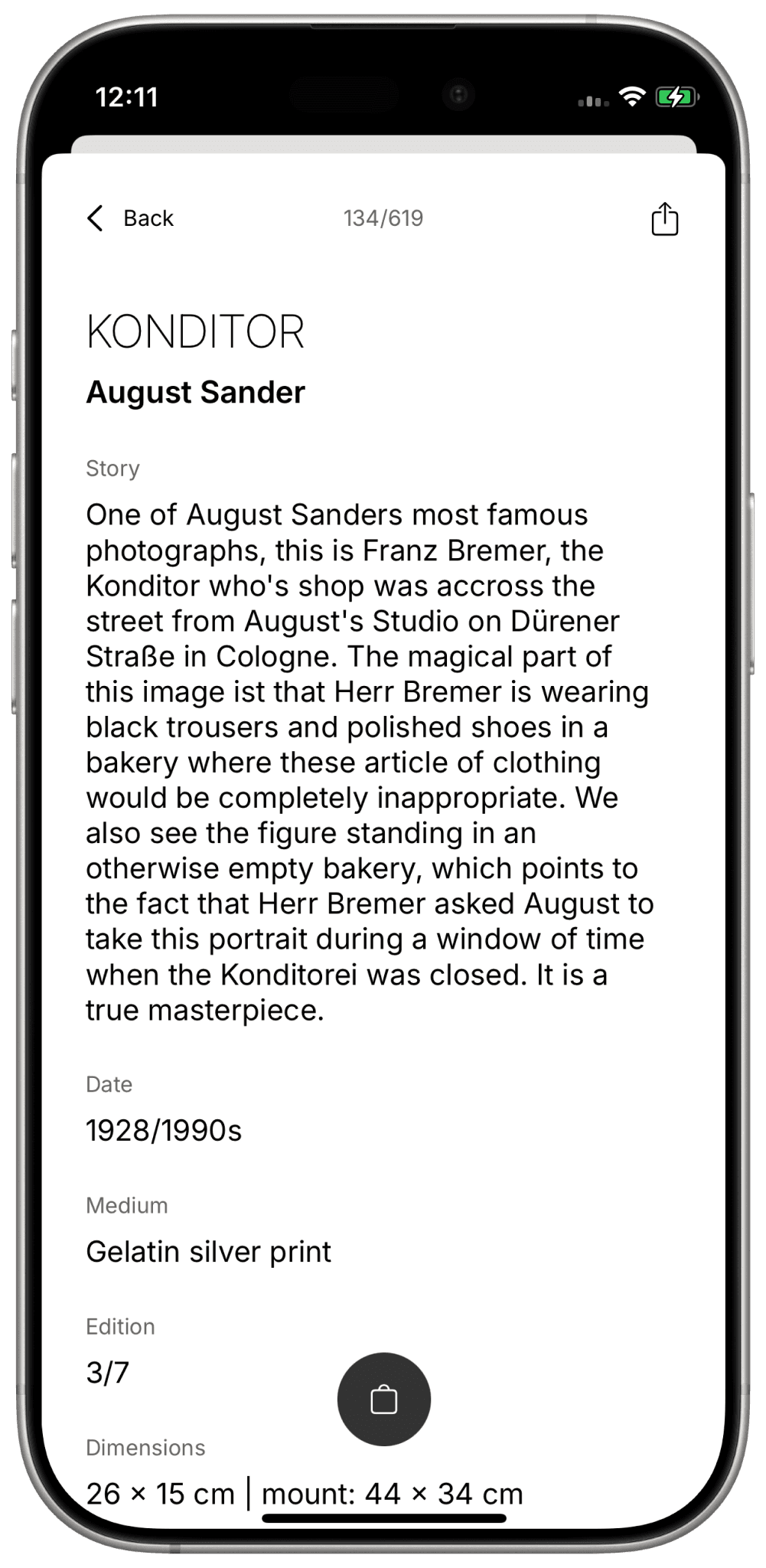
In the end, the thing that dominates the visuals is the art, which we mainly supplement with additional information.
Achievements
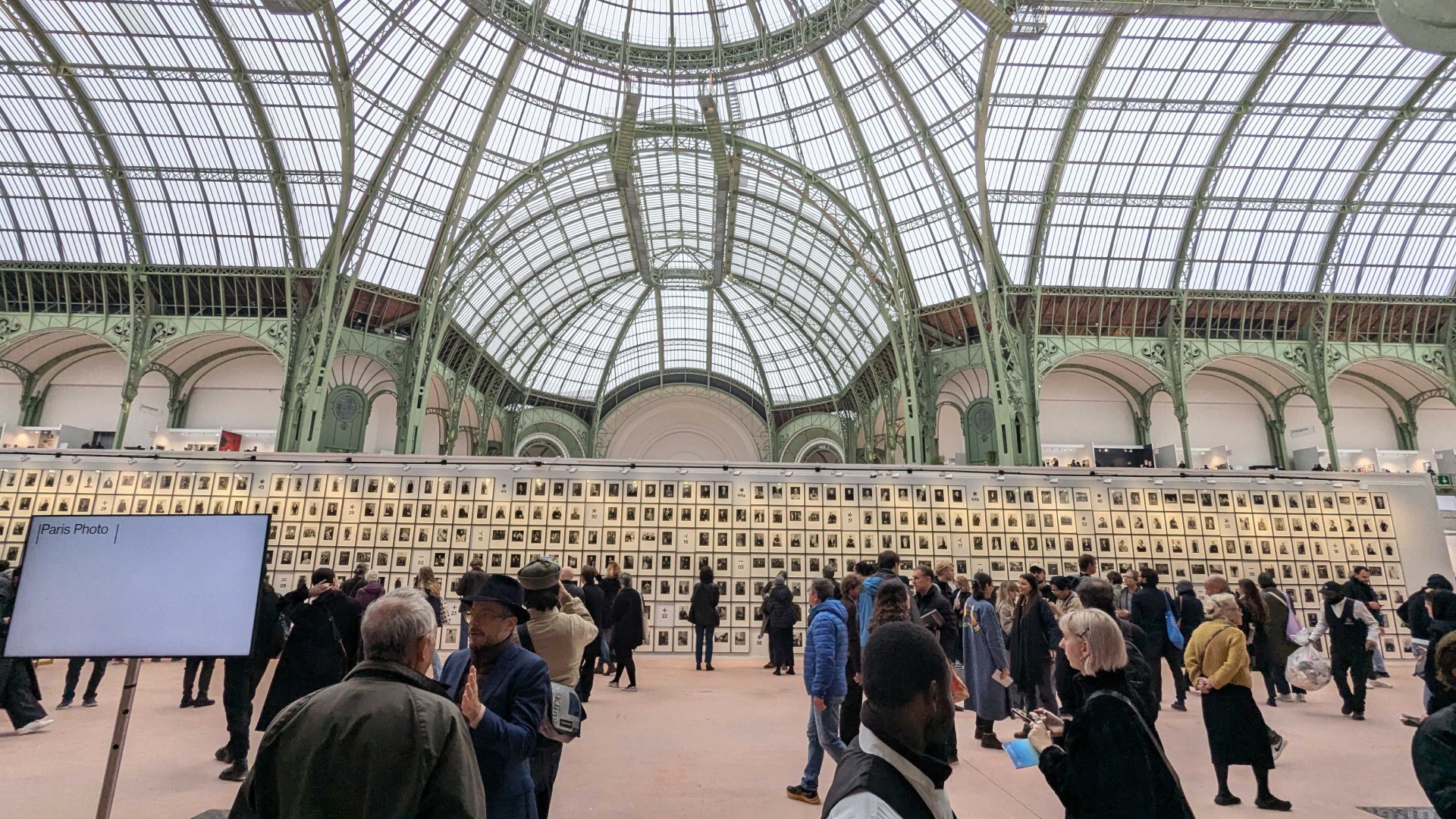
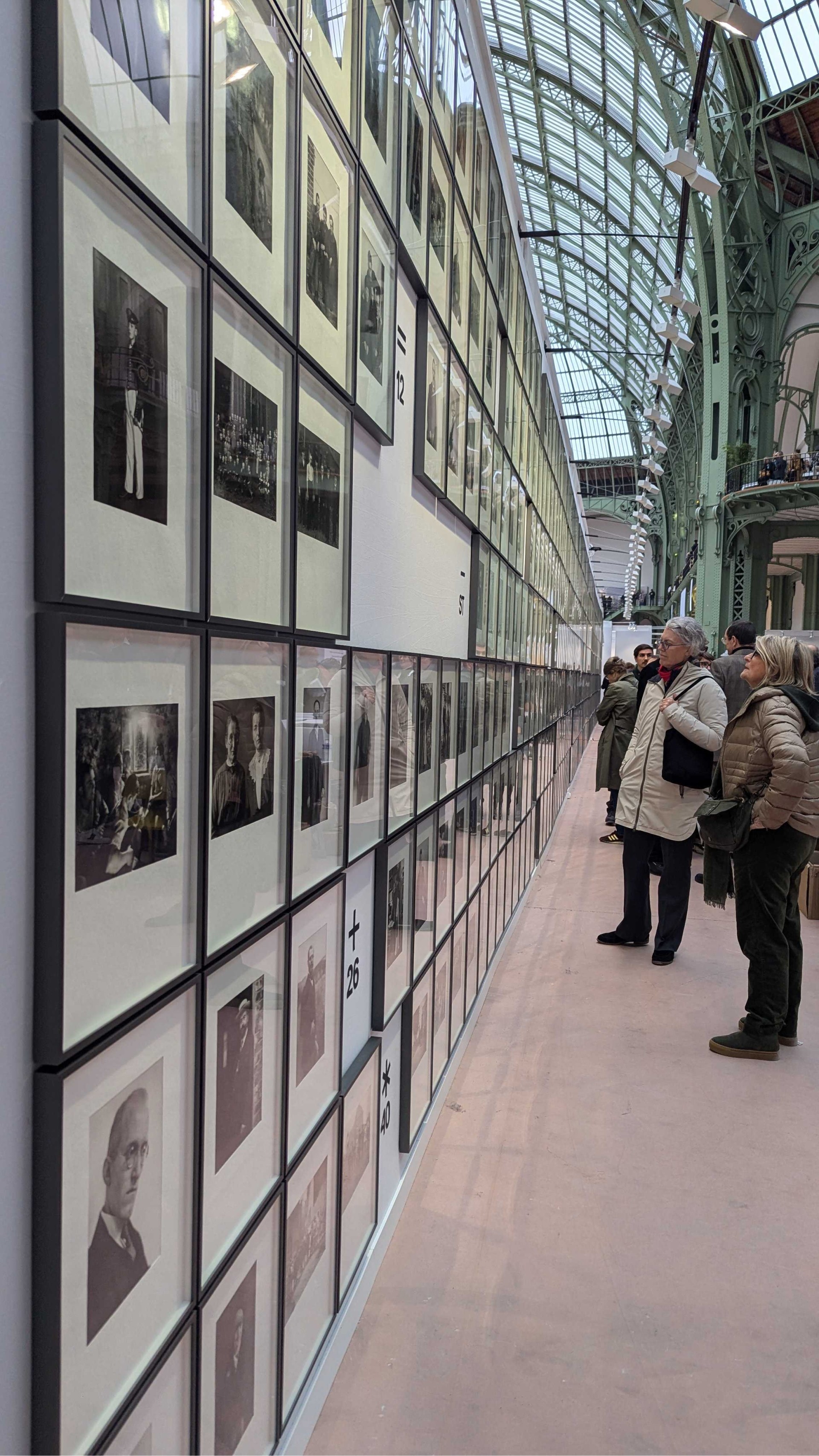
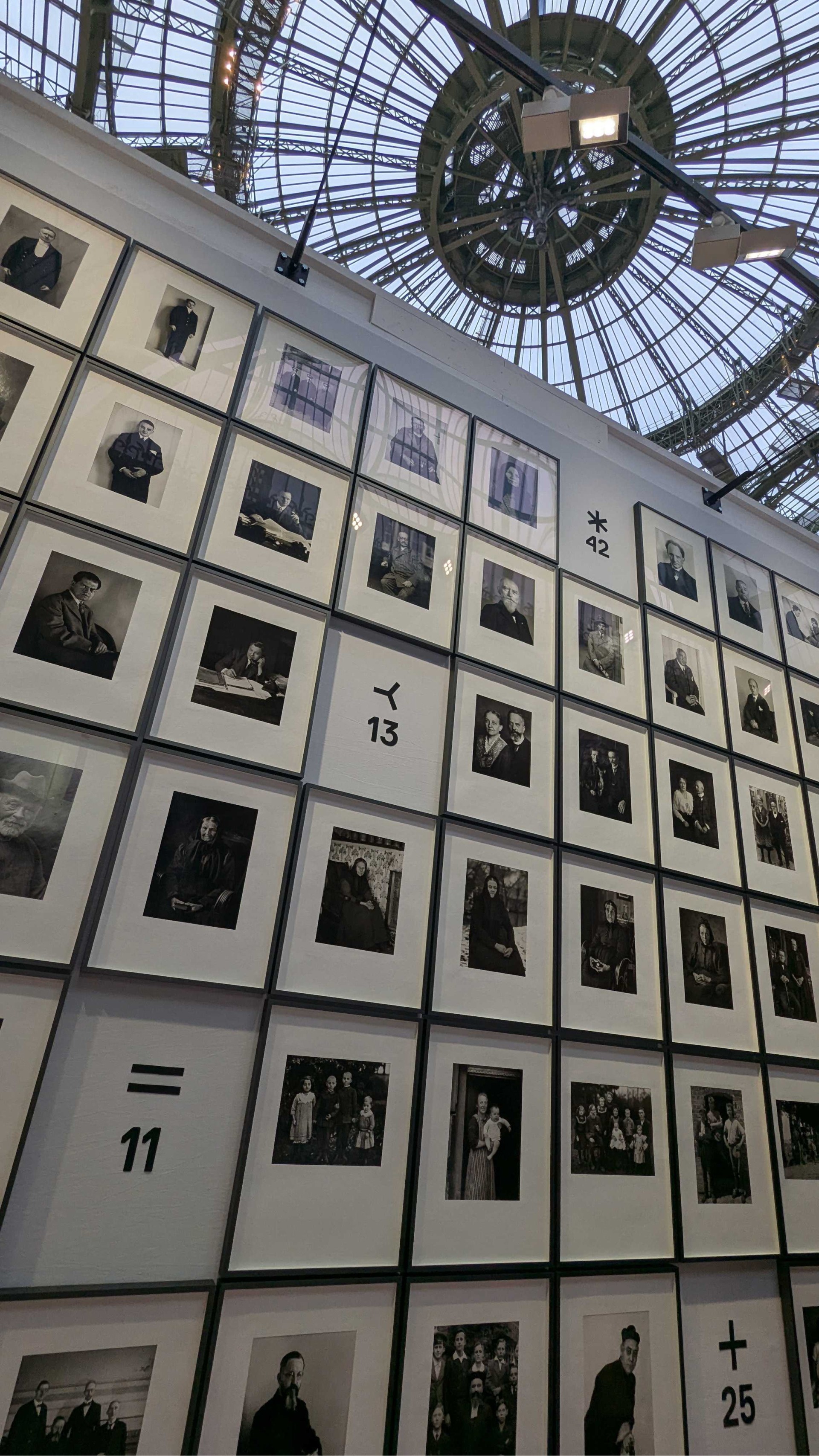
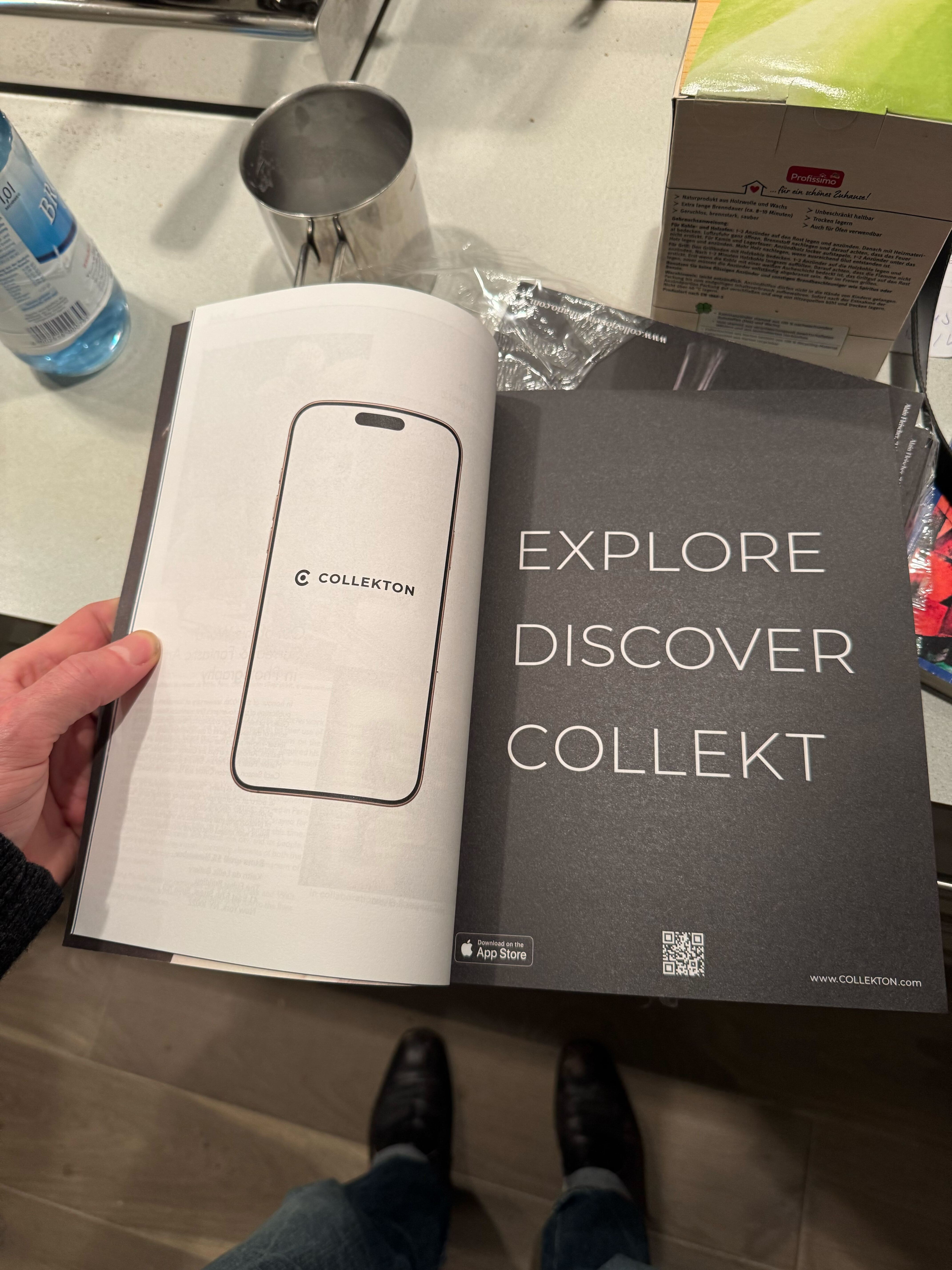
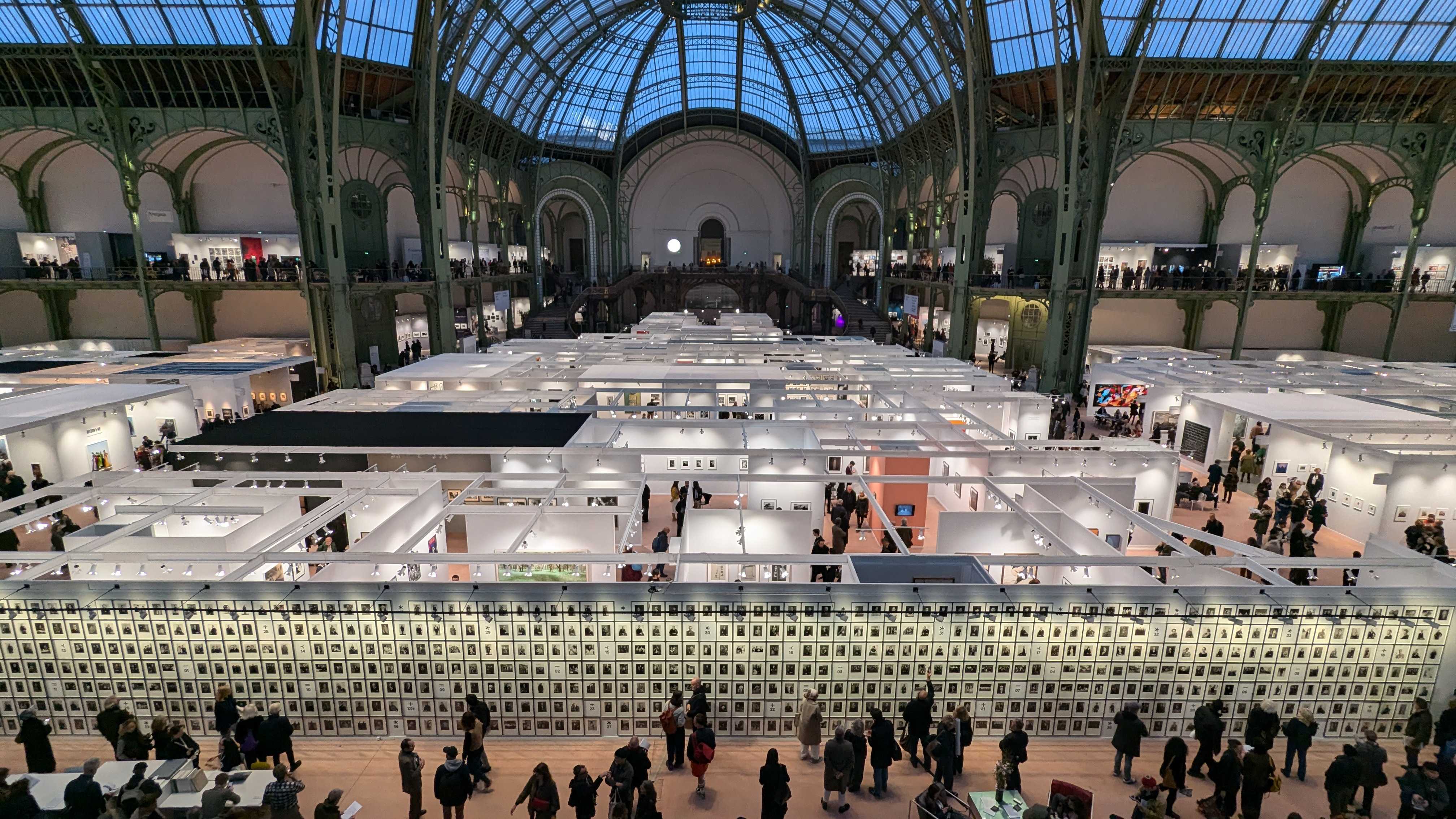
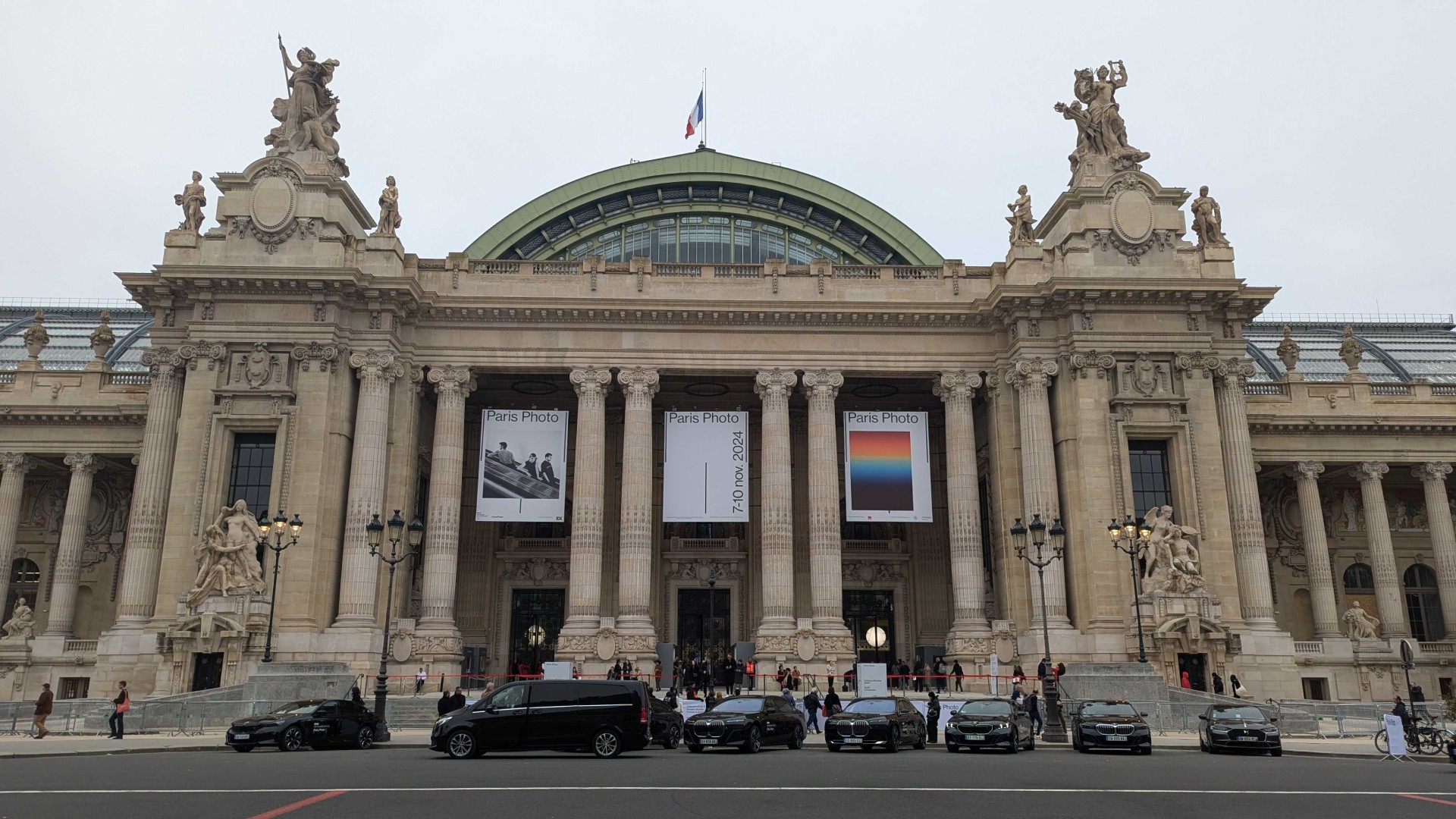
The gigantic photo wall presented both at the prestigious Paris Photo 2024 exhibition in the Grand Palais and within the app turned many heads. A full page spread in renowned photography magazine “The Classic” helped generate awareness of the app a few days before.
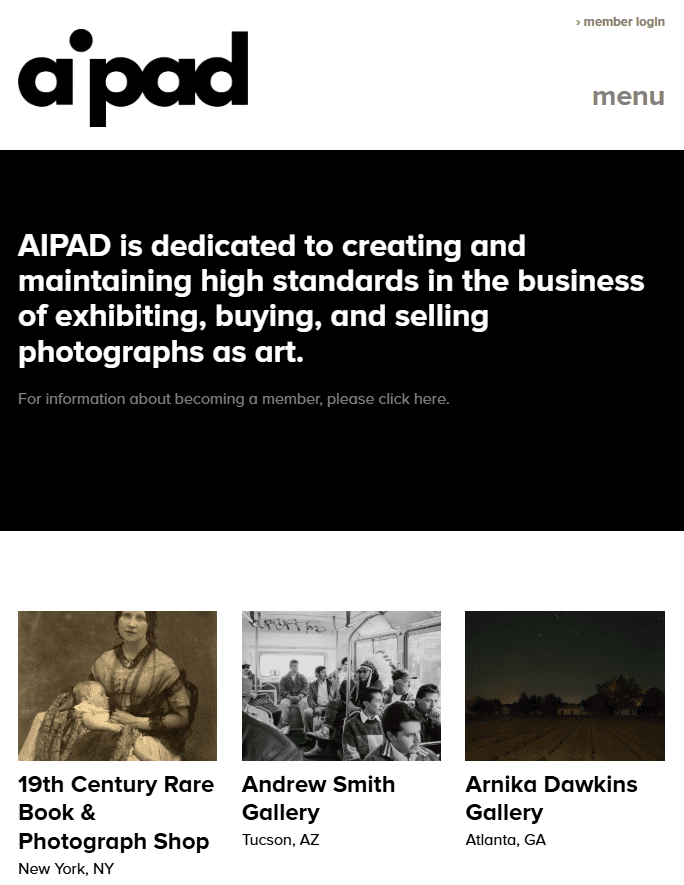
Immediately after the initial presentation at the show, a number of institutions, most notably AIpad approached Gallery Julian Sander for representation in this ecosystem — since it is presented as an expandable and dynamic platform.
An authoring tool for easy import and curation is currently in development in order to open Collekton up in form of a software-as-a-service for similarly renowned galleries. I also created initial concepts and prototypes for this web based portal.
Re'flekt One
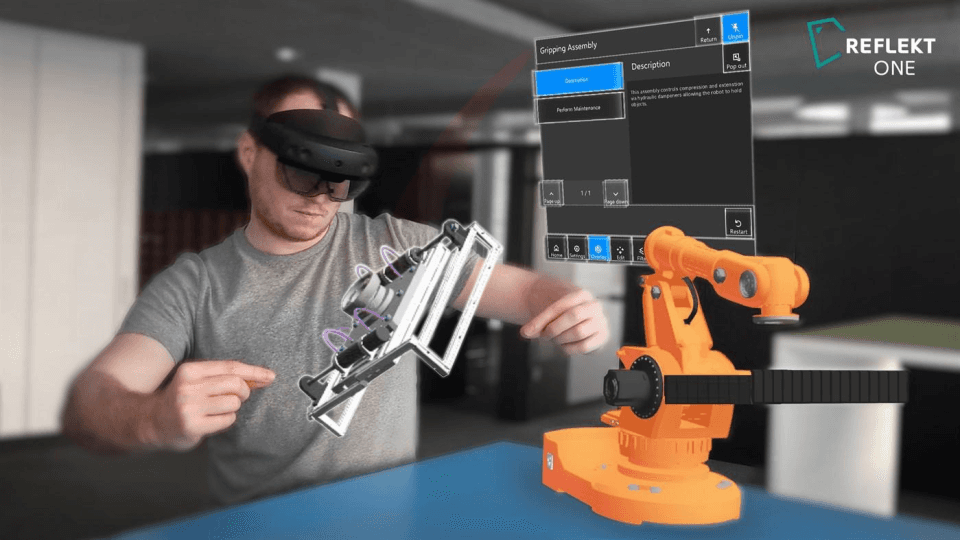
RE’FLEKT ONE, also known as Bosch CAP was a software platform that would let you relatively easily turn CAD data into step-by-step repair instructions in Augmented Reality.
#ui #prototype #ar #hololens
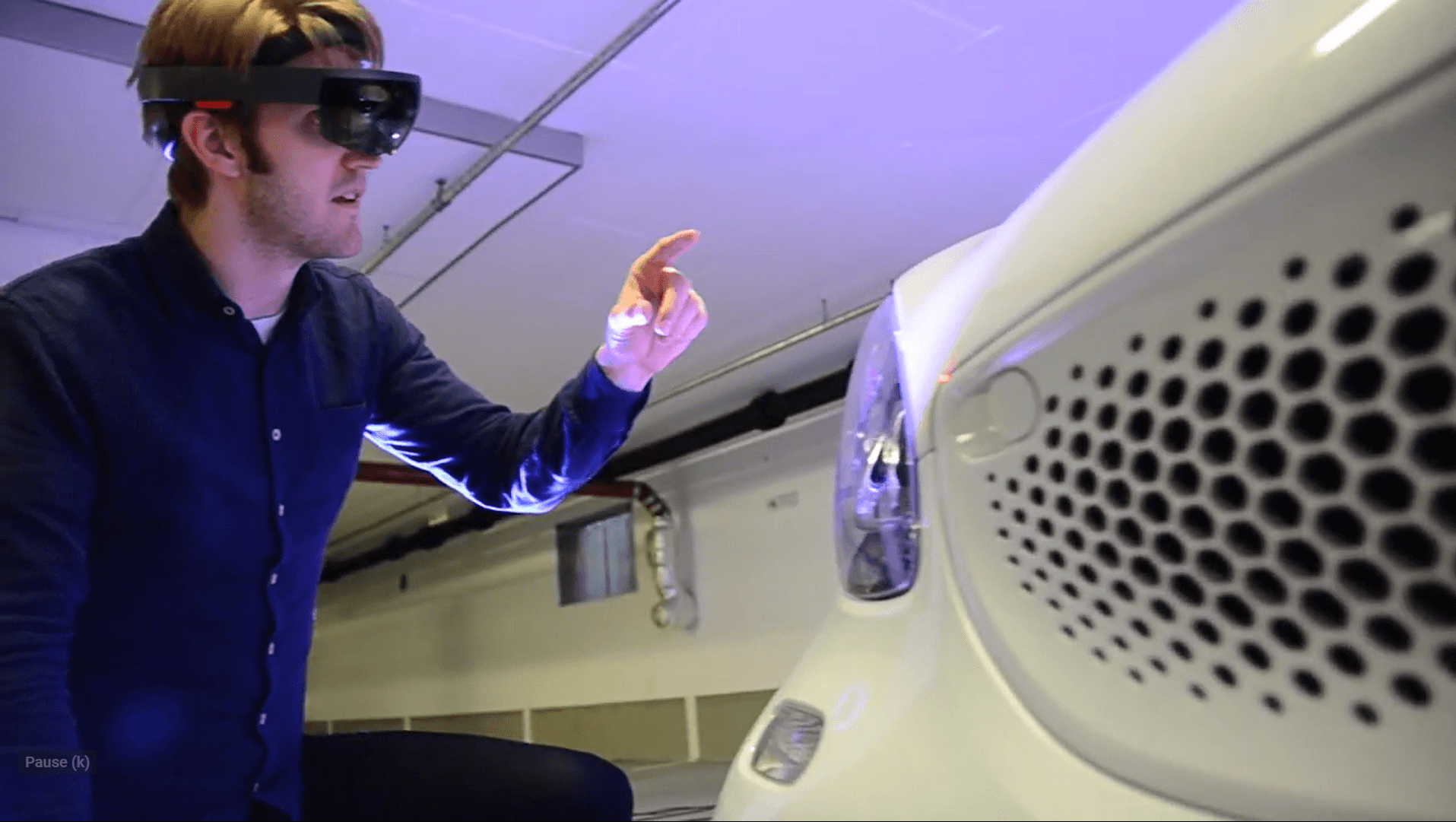
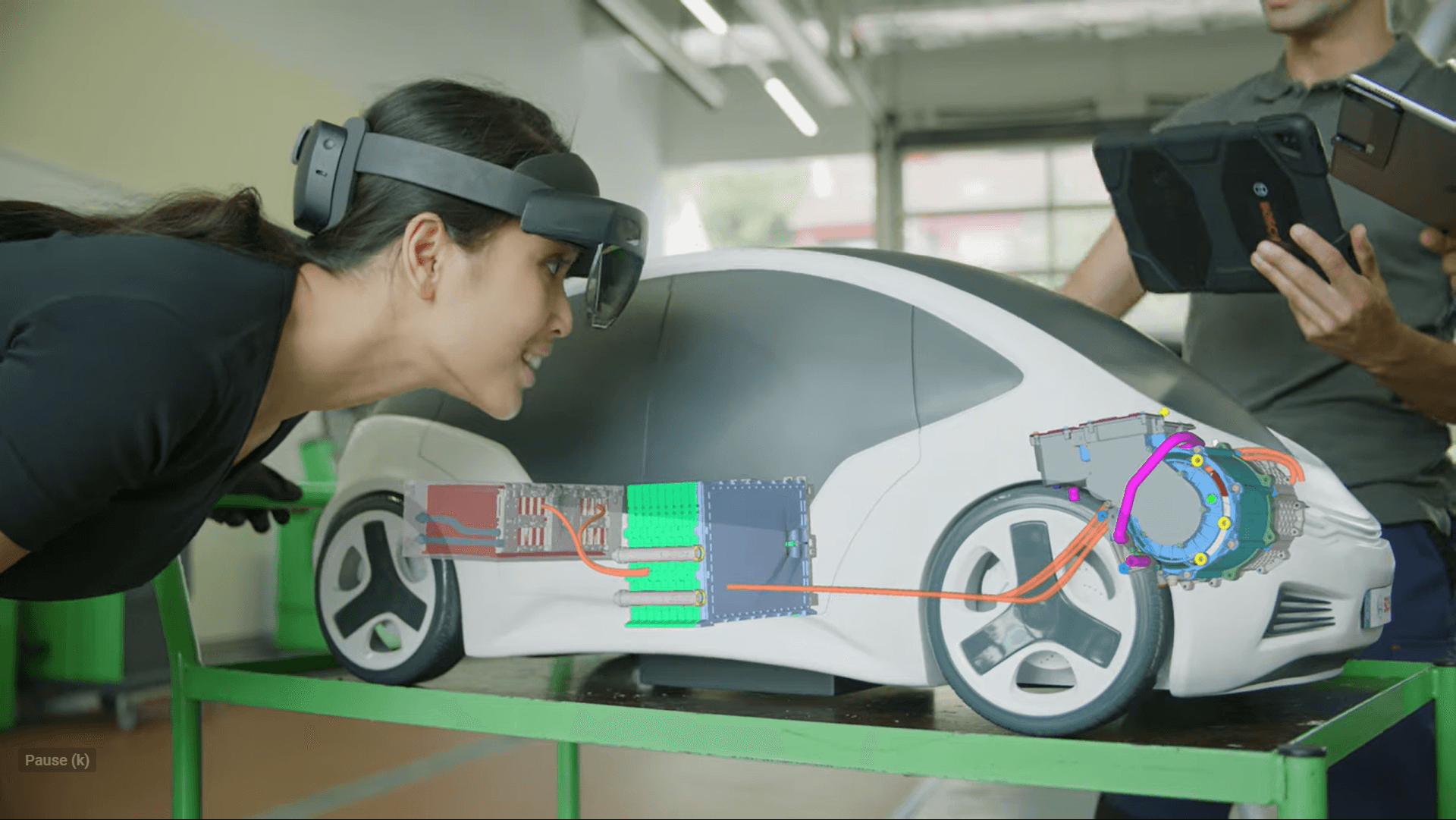
Watch advertisements and tutorials
Framing
Challenge:
Companies that rely on technical documentation saw the opportunities of augmented reality. But especially middle class organizations did not know where to begin digitizing their content in that way.
Solution:
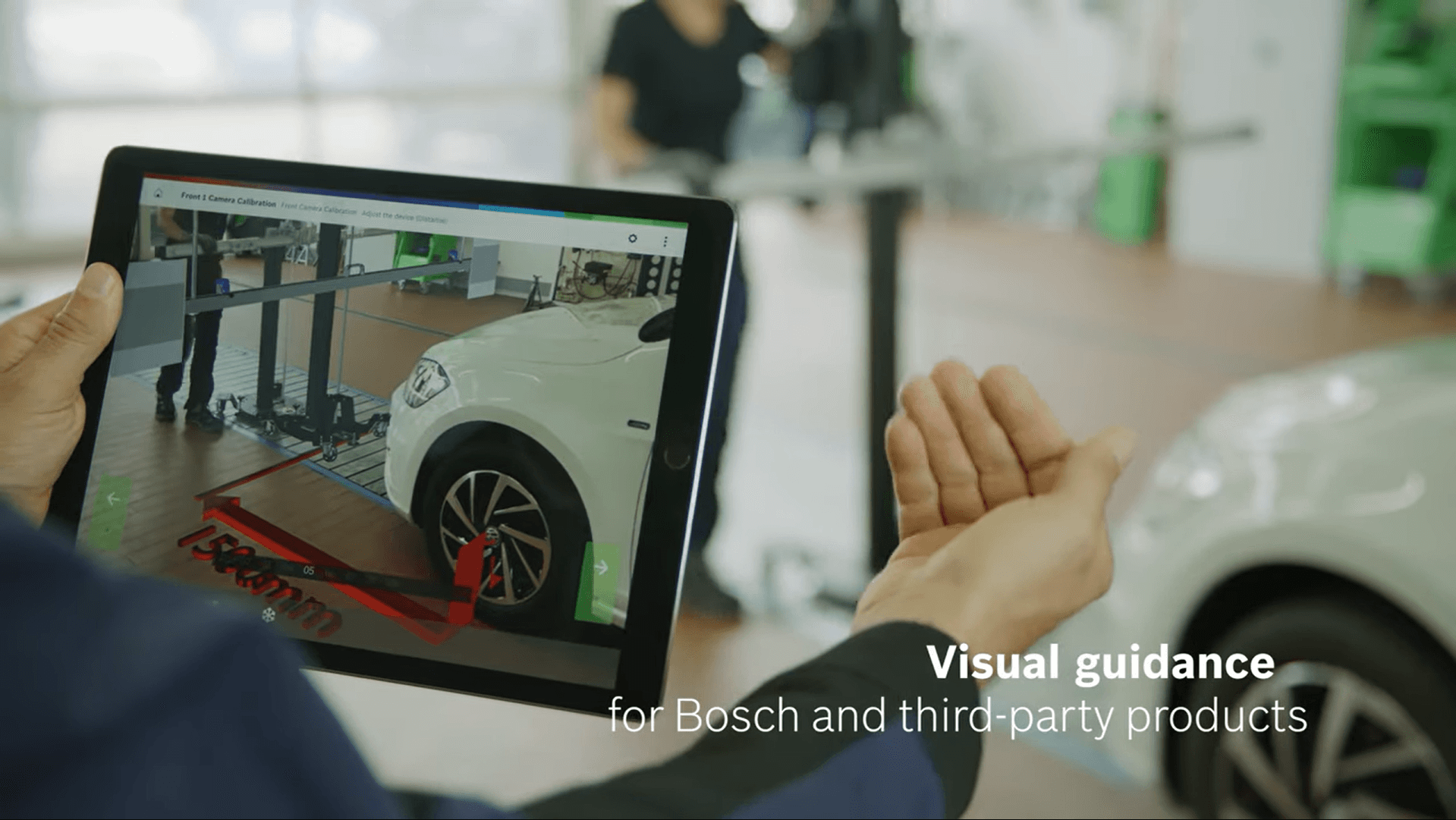
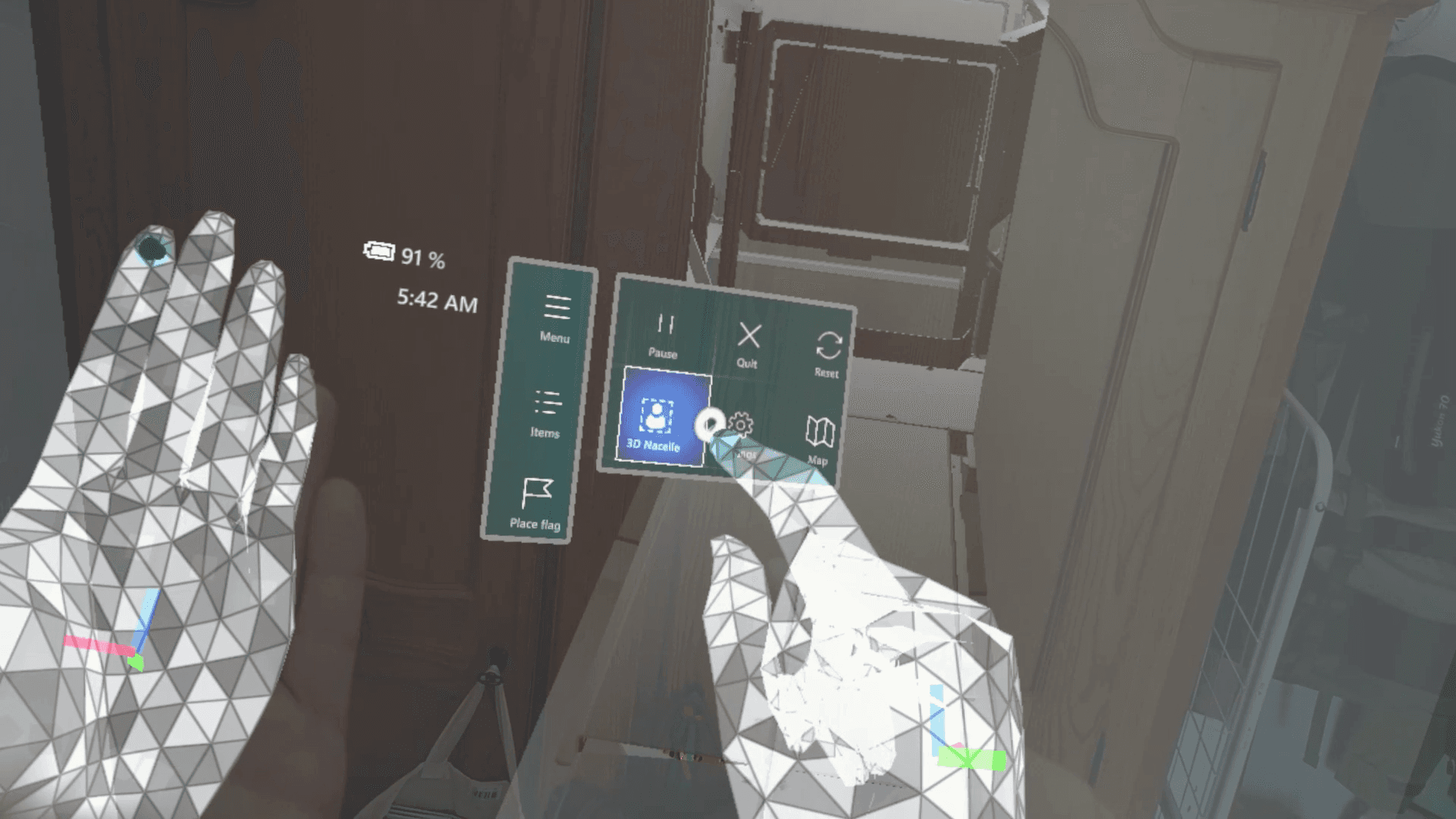
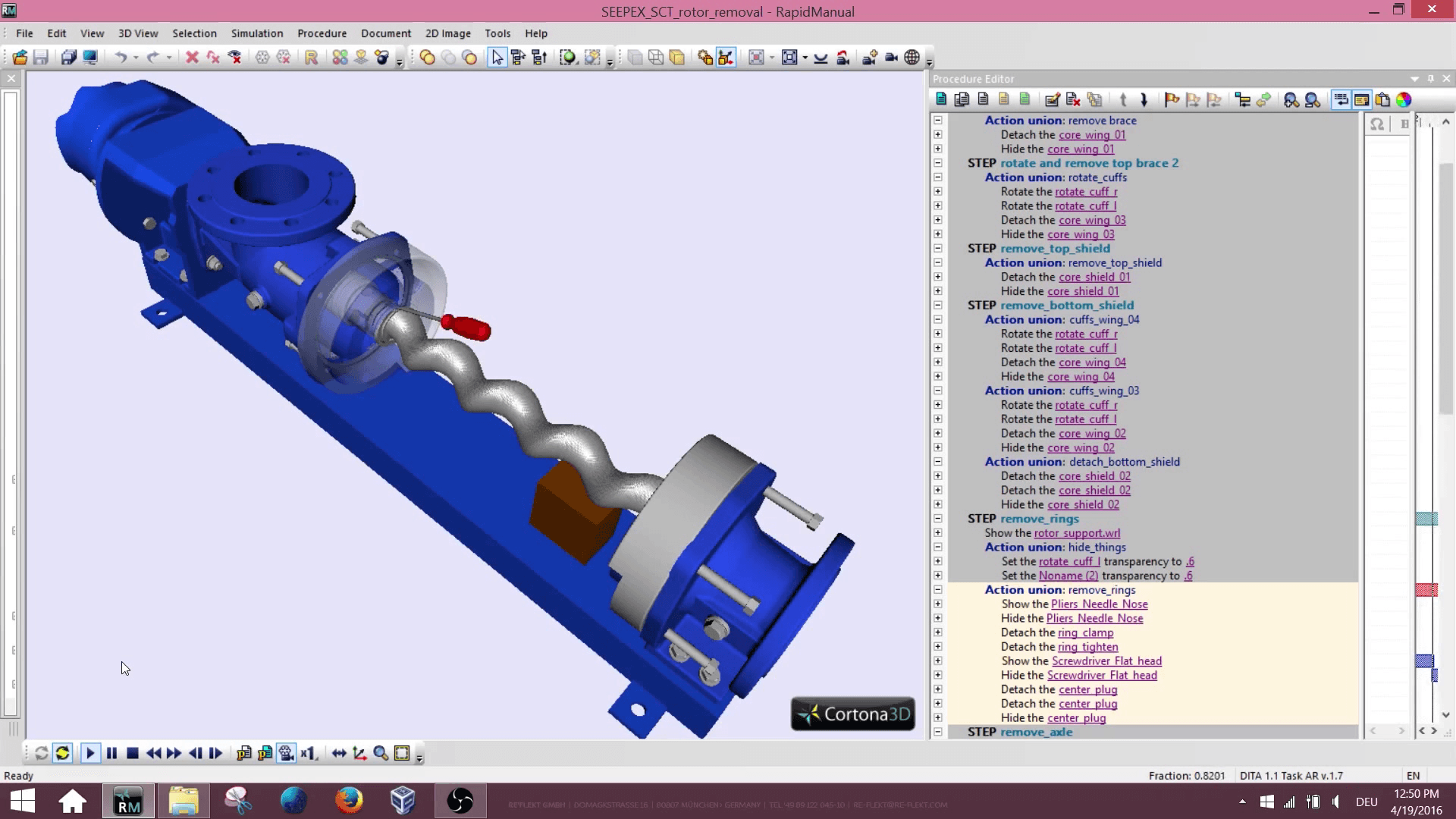
A multiplatform ecosystem, versatile enough to let you view AR instructions on the web, an iPad or the HoloLens. Behind all that: an authoring tool that offers an AR-pipeline using existing CAD- and text-content without code.
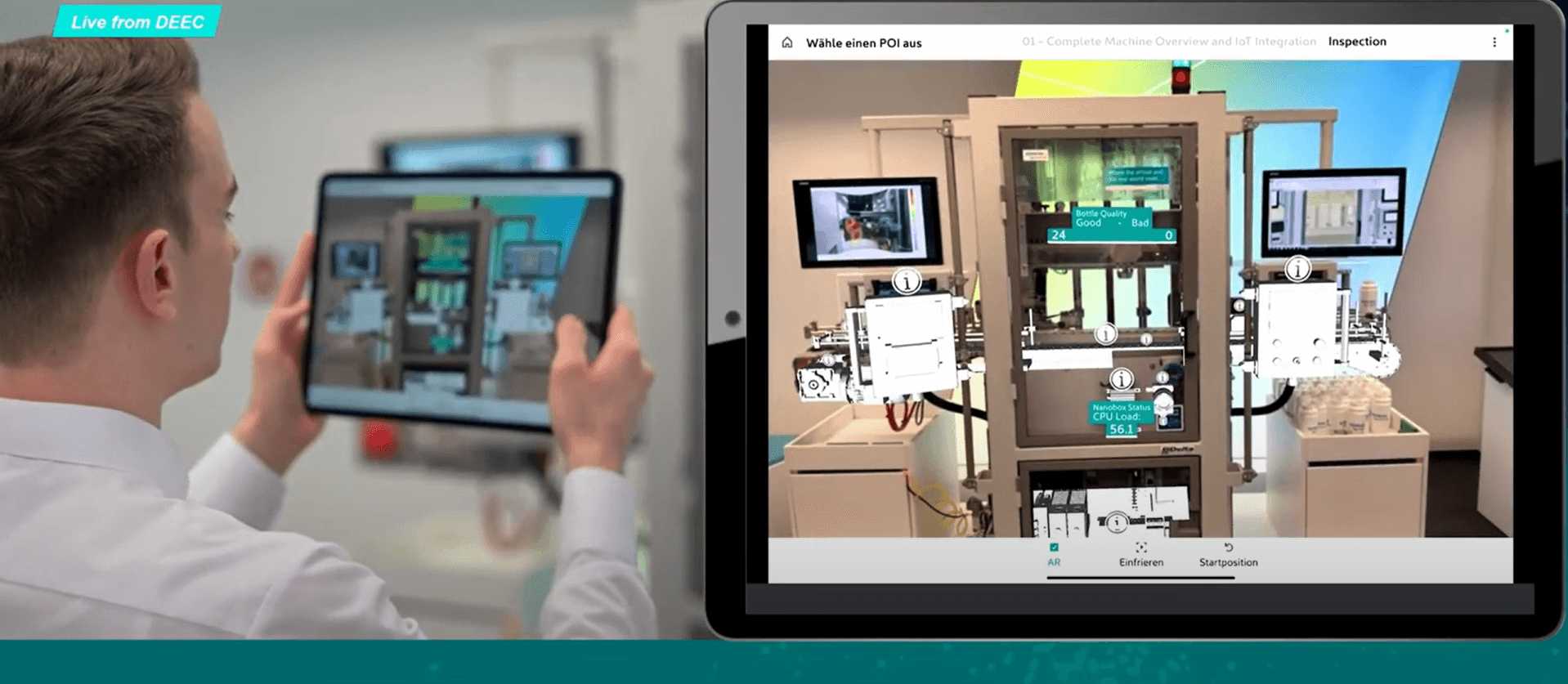
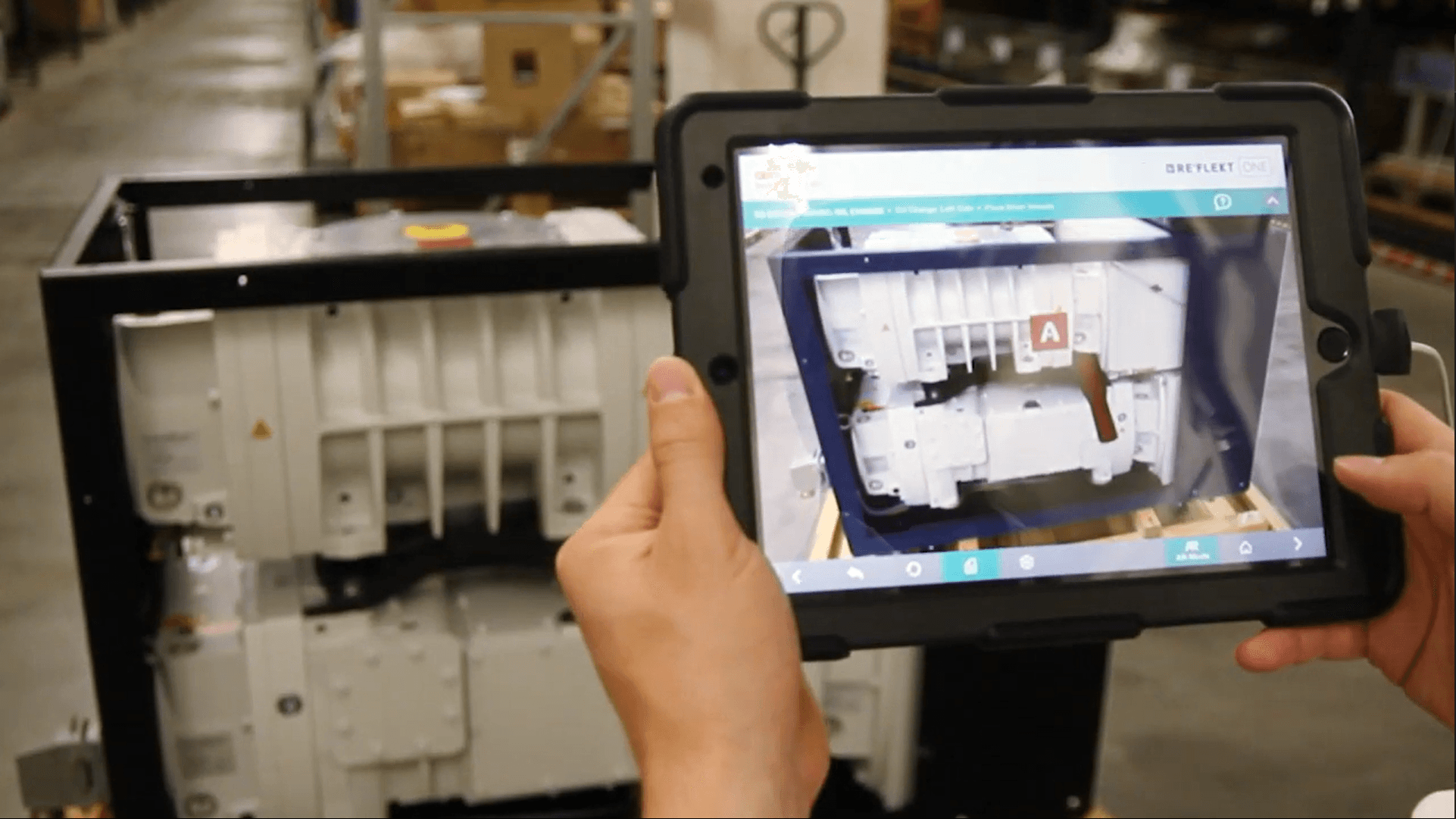
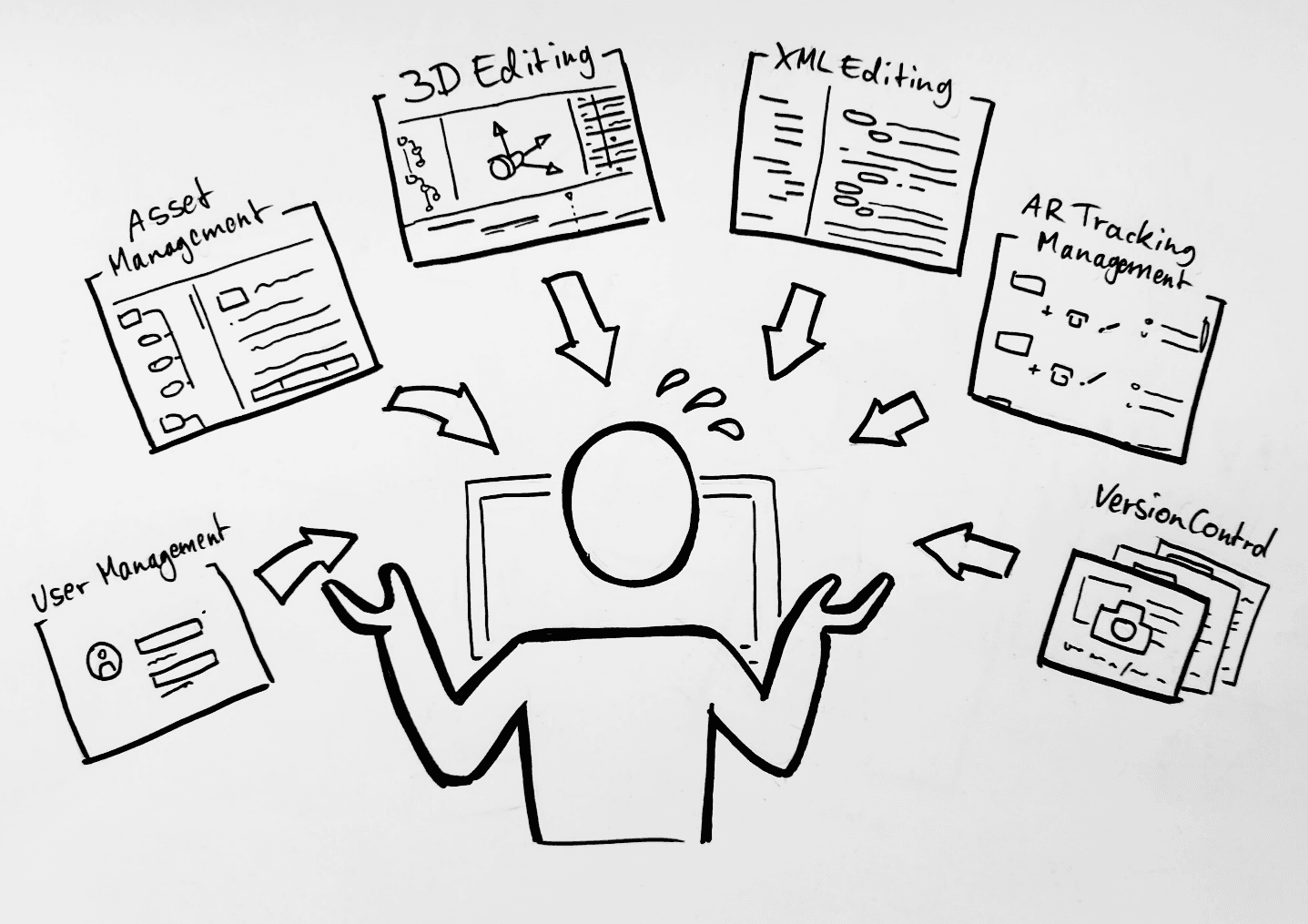
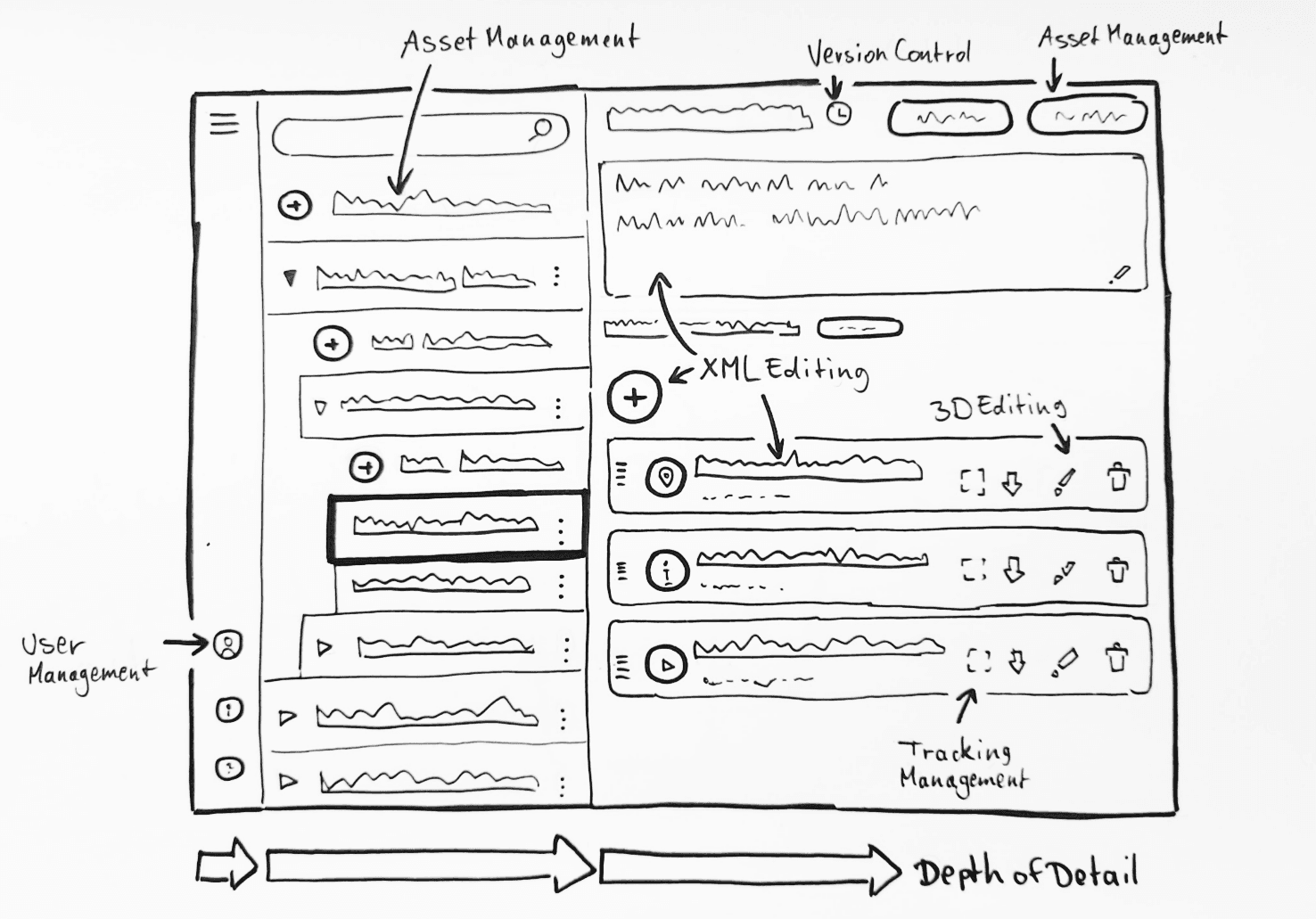
UX/UI for Authoring Suite
The authoring pipeline was the main selling point of RE'FLEKT ONE. This software intersected with many different systems and enabled even untrained personnel to create content by reducing the cognitive load immensely.
QA & Field Tests
We were developing ONE as a small startup with funding from Bosch as a long term project. I contributed for about six years.
Apart from designing UI/UX for frontend and backend of the software, I was also involved in many other aspects, like content creation and optimizing the internal tool chain to marketing communications and parter onboarding.
Branded Projects
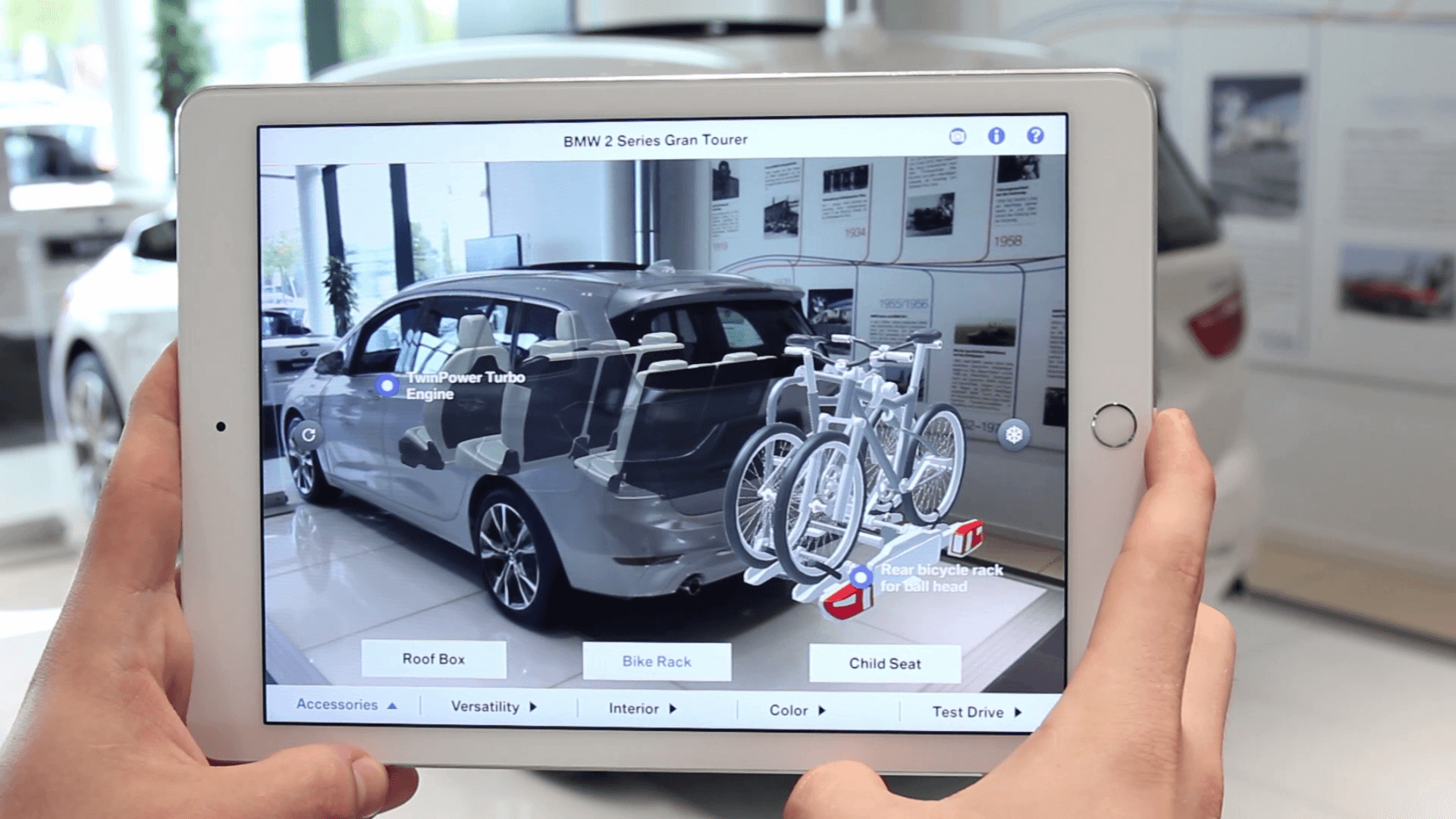
During this time, a wide range of companies, mostly industry-based, approached us for branded proofs of concepts — from large scale automotive- to medium sized agricultural manufacturers. In close communication we collaborated for the right representation of their brands in this uncharted medium of AR Glasses.
This is where I developed my strength in researching detailed technology topics. Both in terms of the tech used for software products as well as the machinery and processes it is used for.
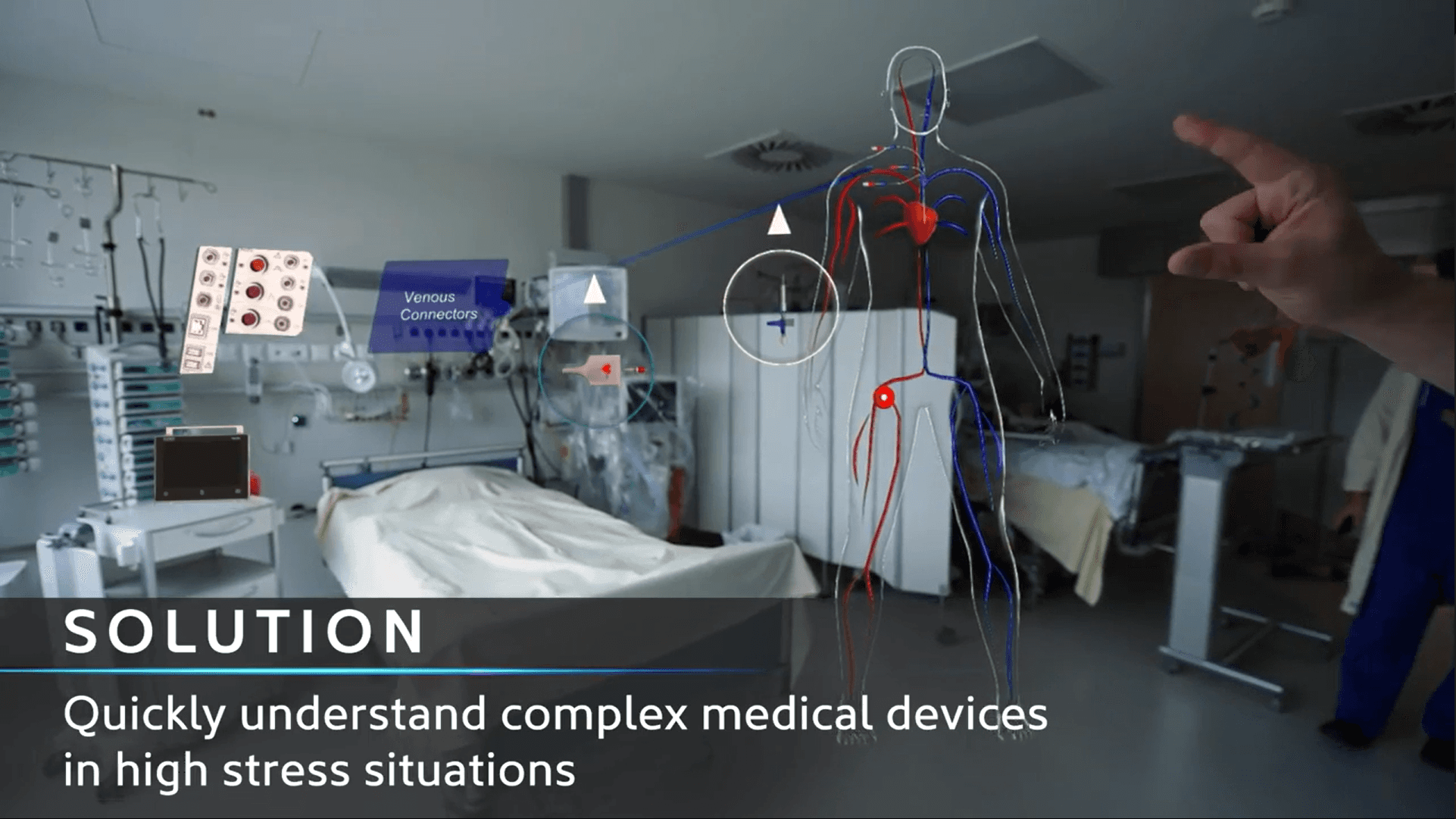
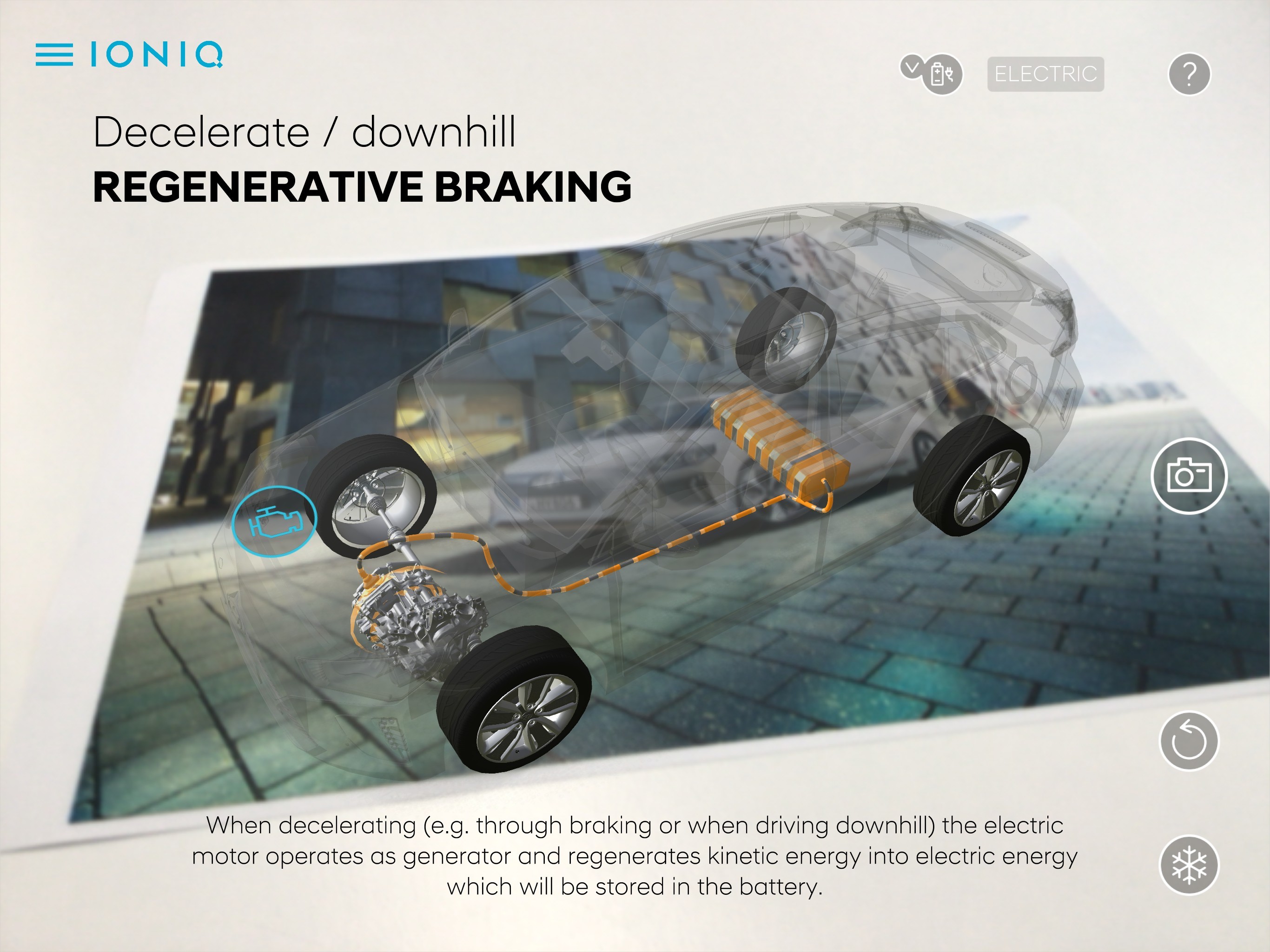
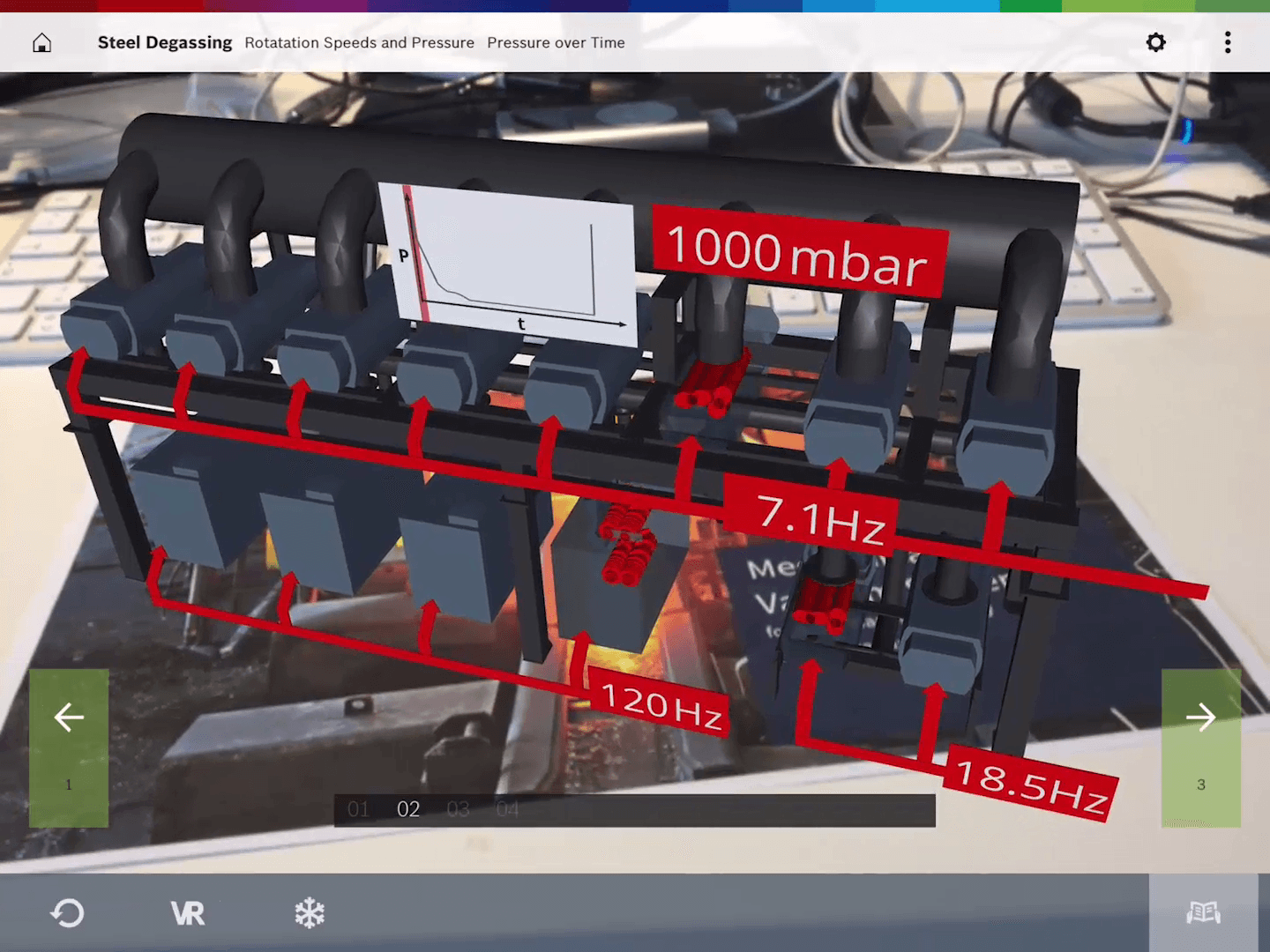
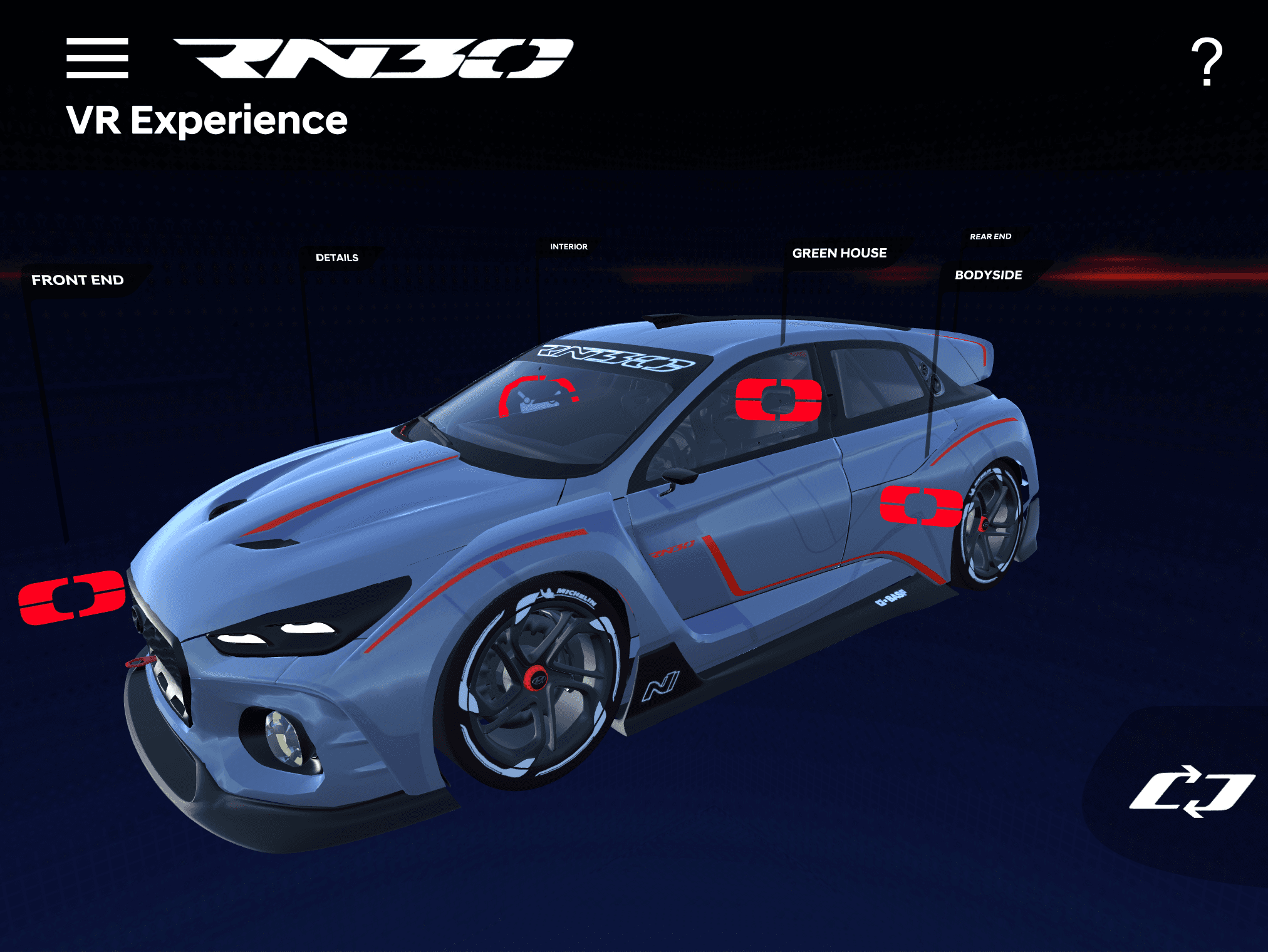
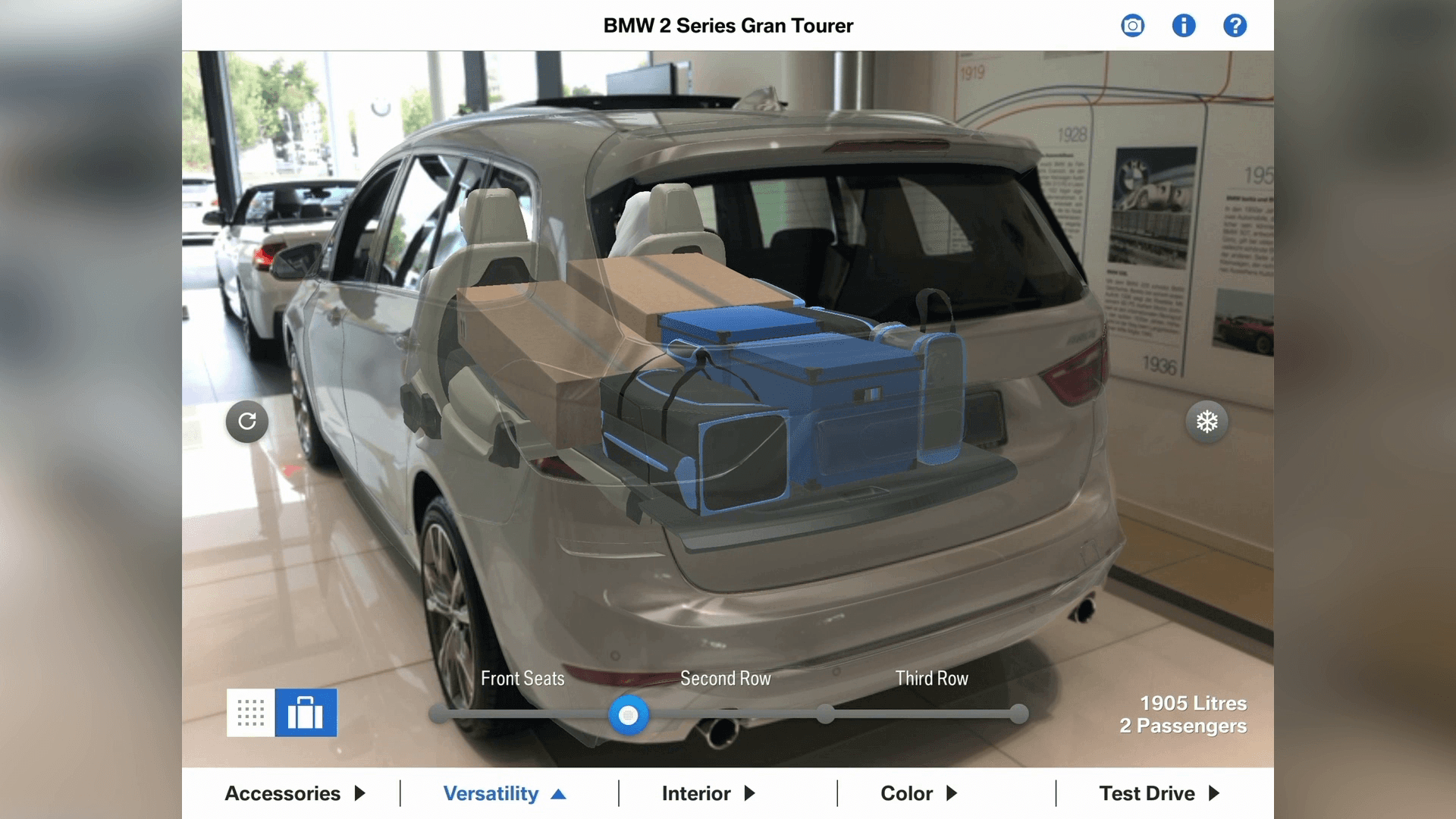
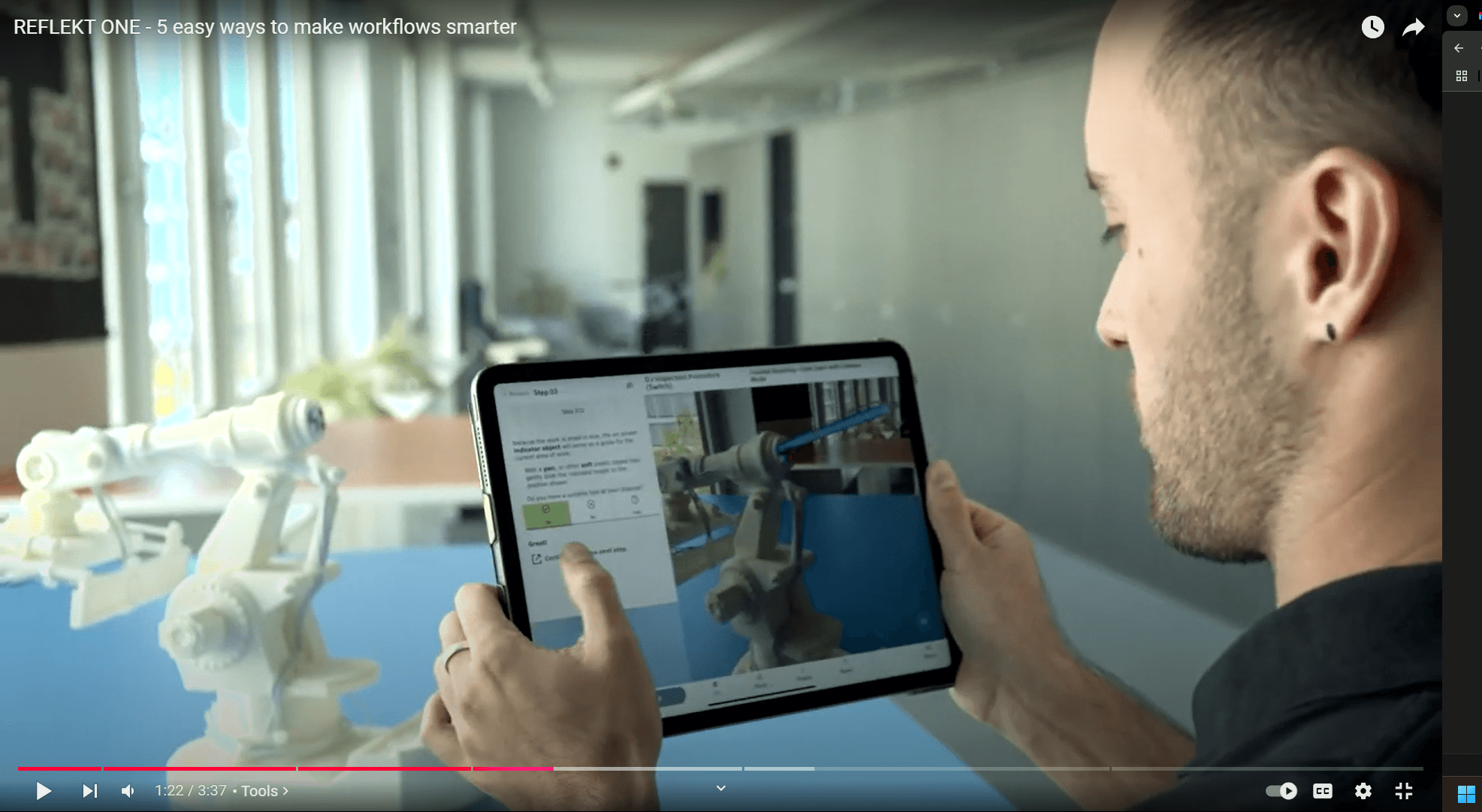
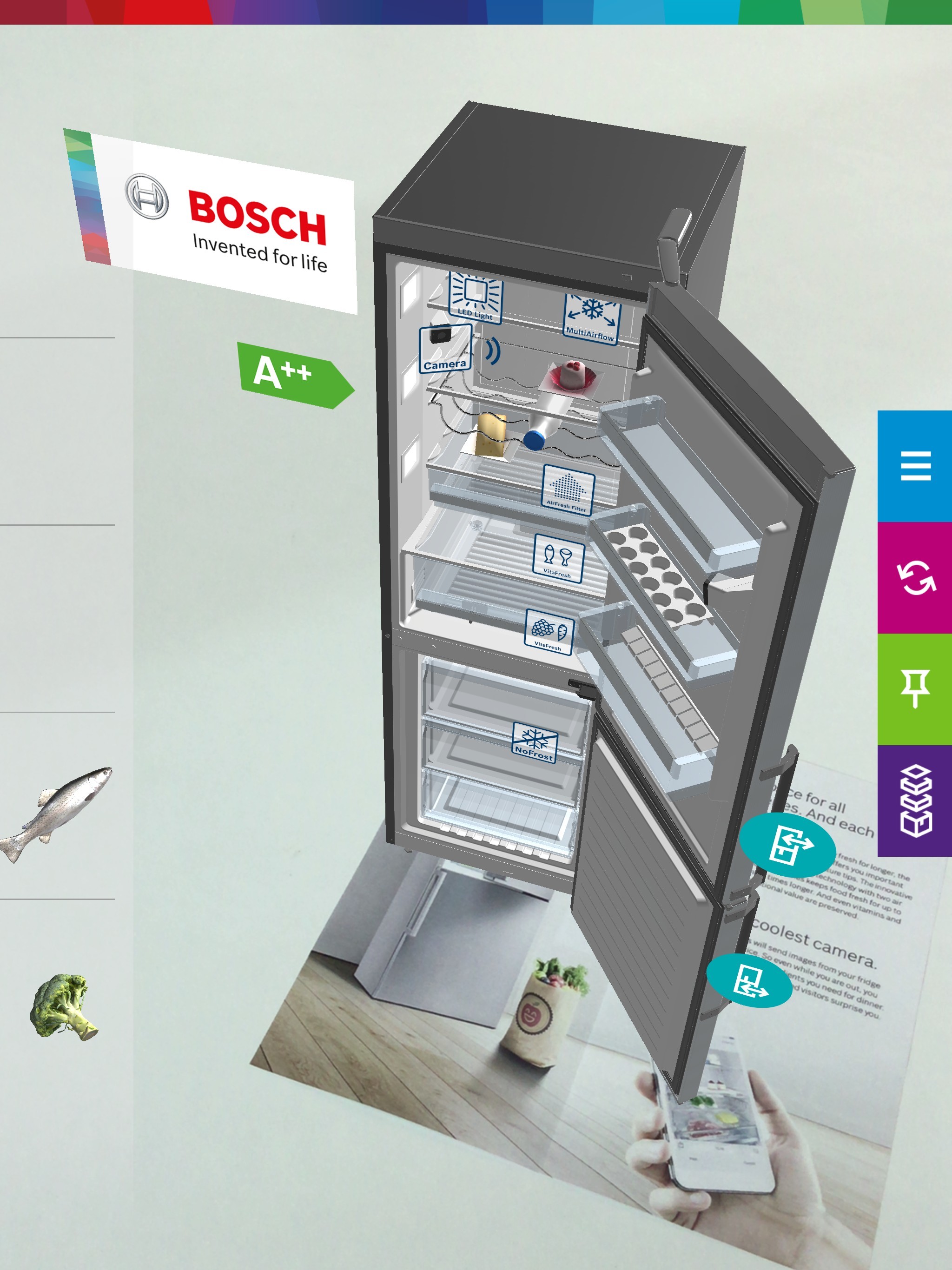
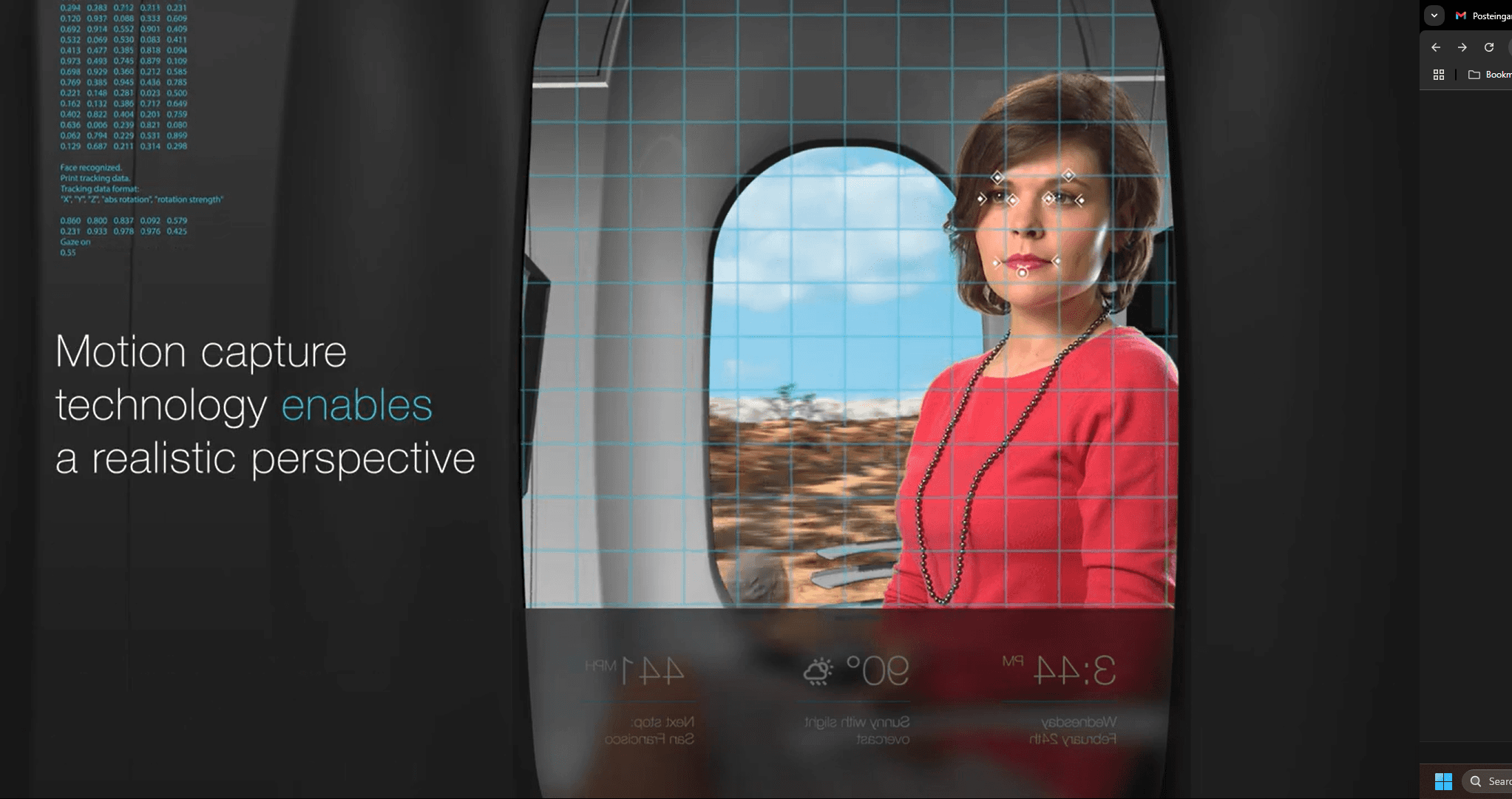
Achievements
The time working on ONE made it clear to me how important a wholistic understanding of a user journey is. What are the realistic conditions in the field? Are you using gloves or do you have greasy hands? Is it noisy, cramped or dangerous where you are? This position let me cut my teeth in terms of qualitative field research.
Personally, what makes me most proud of being involved with this project is that we helped so many companies on their way to digitize their workflows. Industry 4.0 was a big buzzword during this time and my team and me helped make this a reality with about four or five PoCs for middle class companies and Bosch partners per year. On top of that of course the sales of the platform by itself.
In a way, it felt like a validation when during the period of late 2020 to 2022 the main competitor PTC incorporated RE’FLEKT and the knowledge, craft and love within its products.
VRPE Ma.x
MA.X is a concept for an online platform that lets exhibitors host digital twins of trade show booths or even purely digital representations of their brands.
#concept #3d #web #cms
Overview
Framing
Challenge
During lockdown, companies were feeling the pain of not being able to visualize their portfolio in an immersive way, like they would at a trade show. Existing services were unattractive or lacking in features, mainly one-on-one communication.
Solution
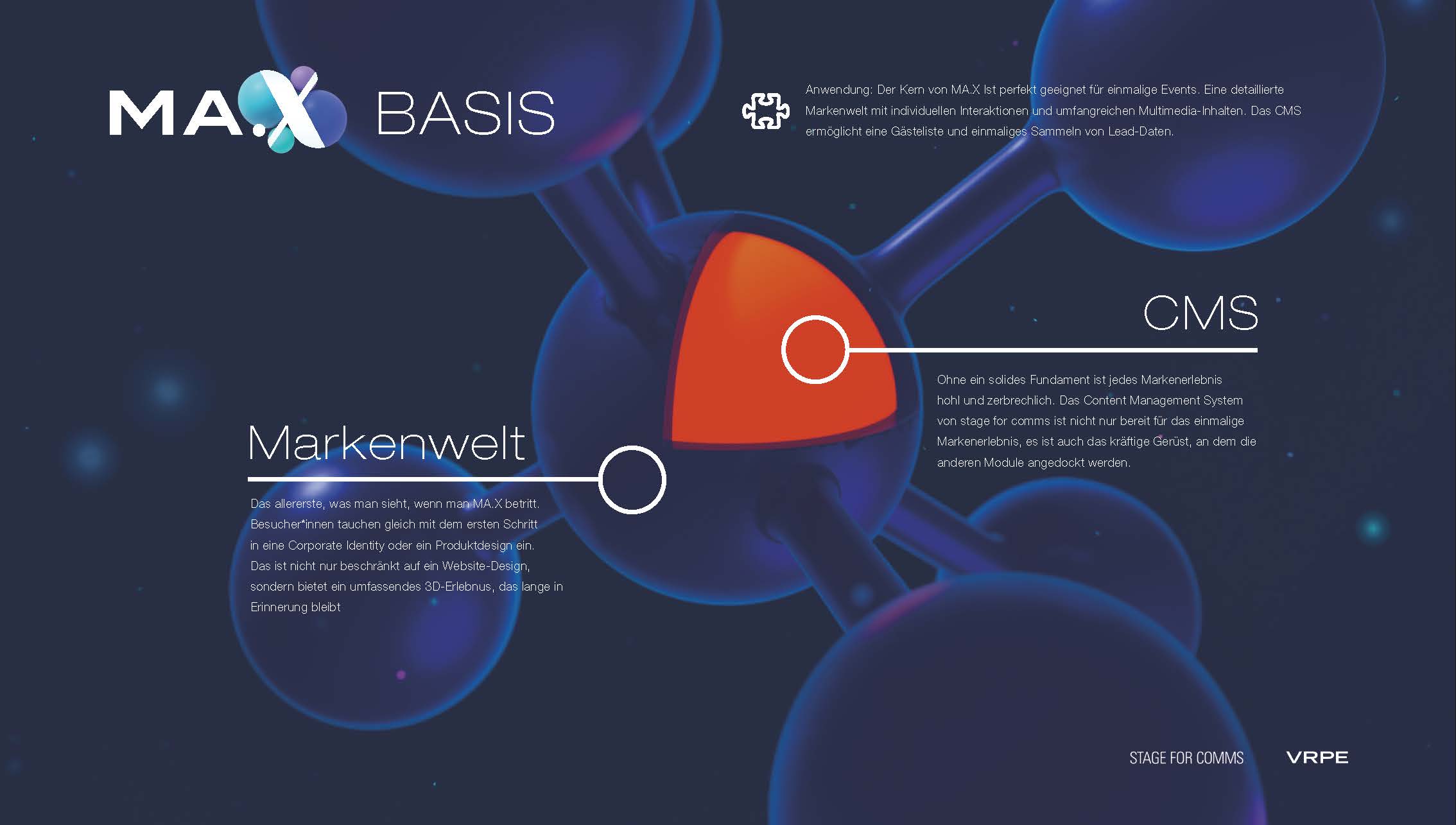
A Service package made up of several modules, each with reasonable roadmaps and business plans and backed by a bespoke CMS, specialized for those modules. During my time, the dedicated team and I shipped Module 1: A press conference tool.

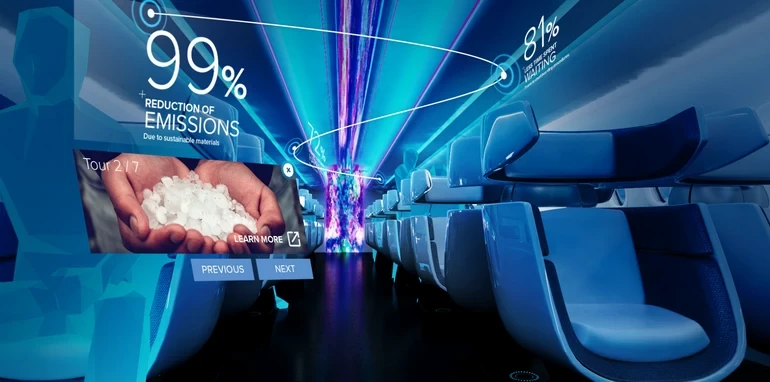
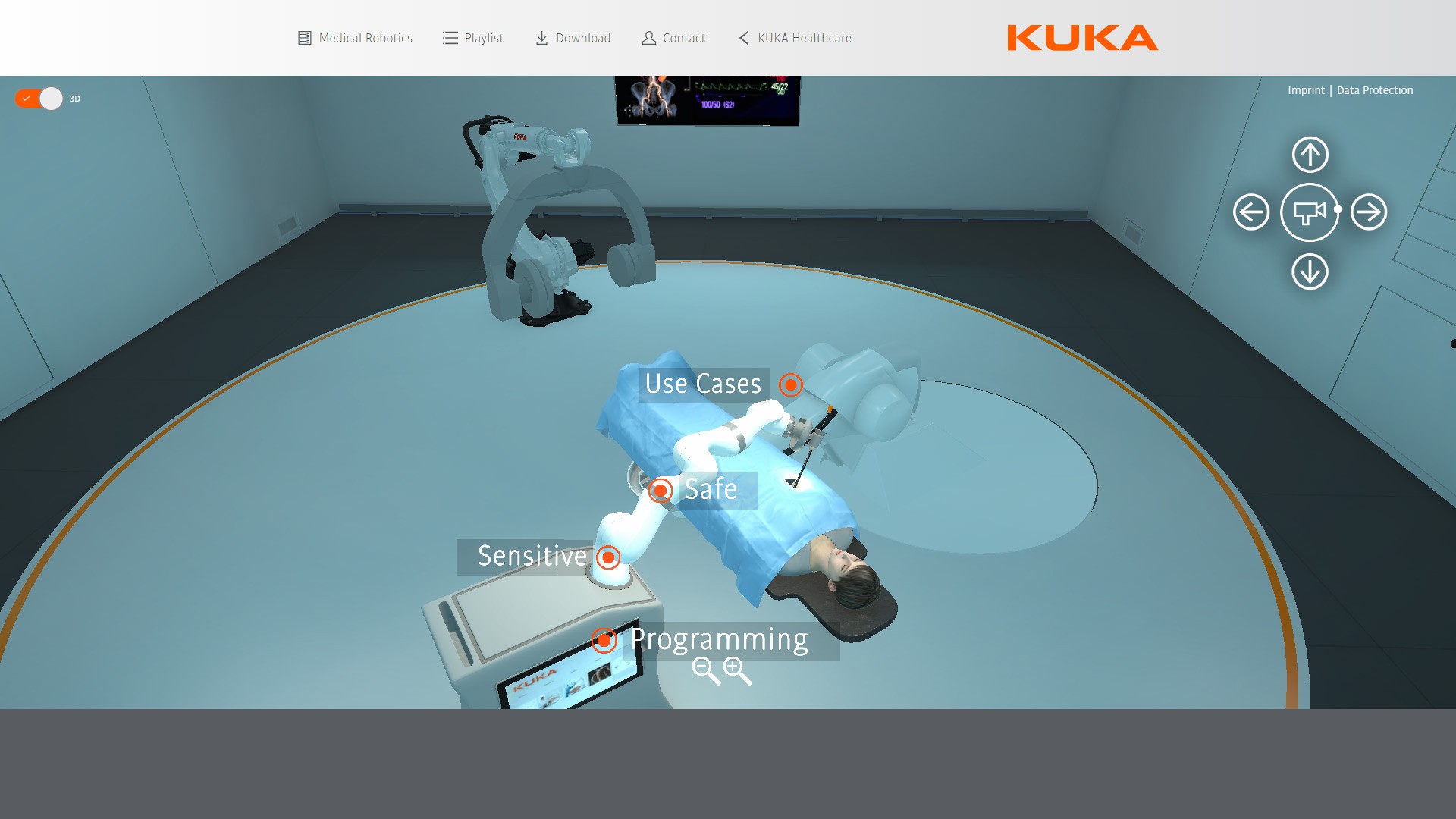
Tasks
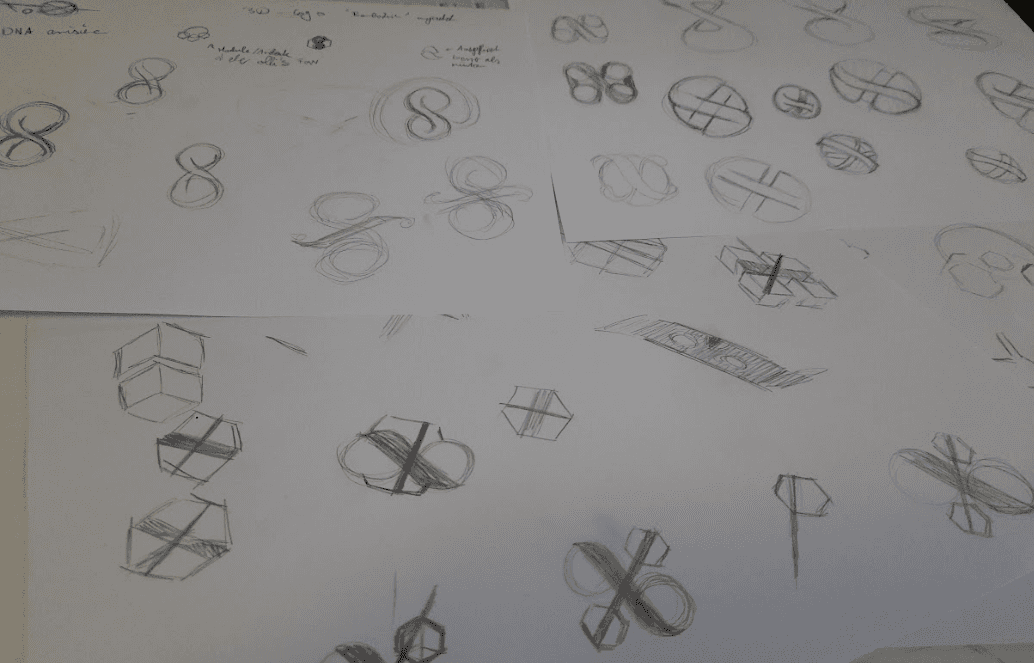
Starting basically from scratch, we created the service concept and shipped the first product during the span of 18 months. As creative lead on MA.X, I created
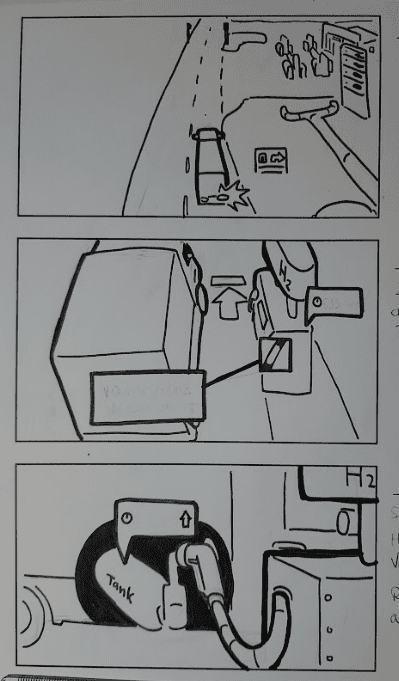
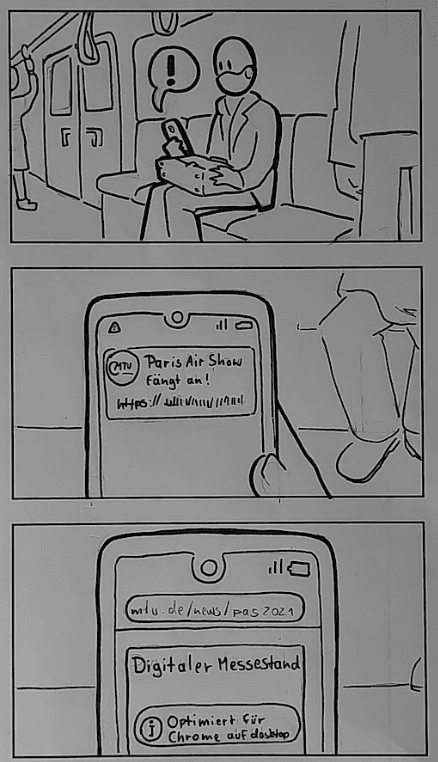
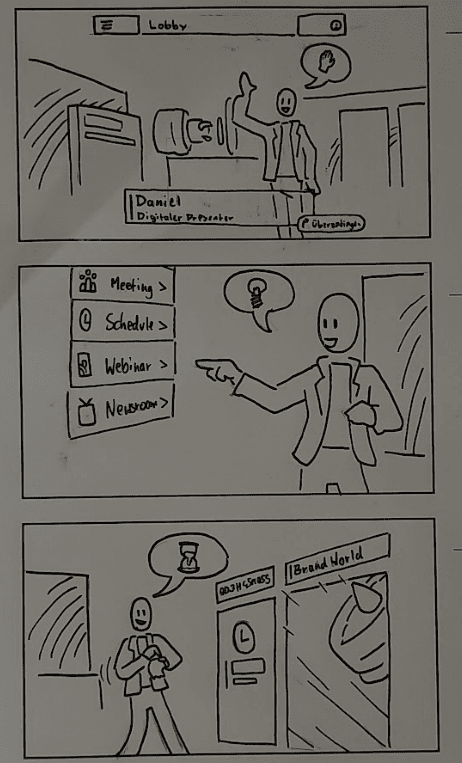
Concepts for 3D vistas for VR and Screen based virtual environments
Storyboards for interactive, real-time 3D storytelling as well as pre-rendered animation
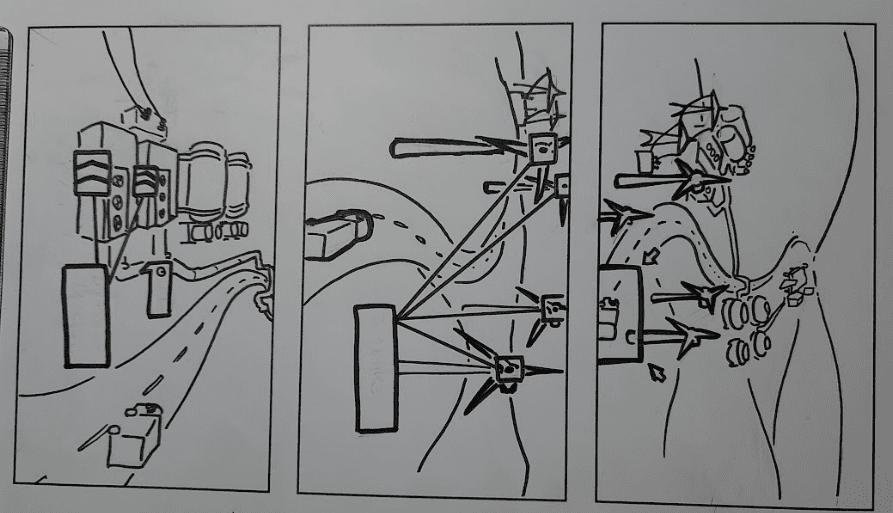
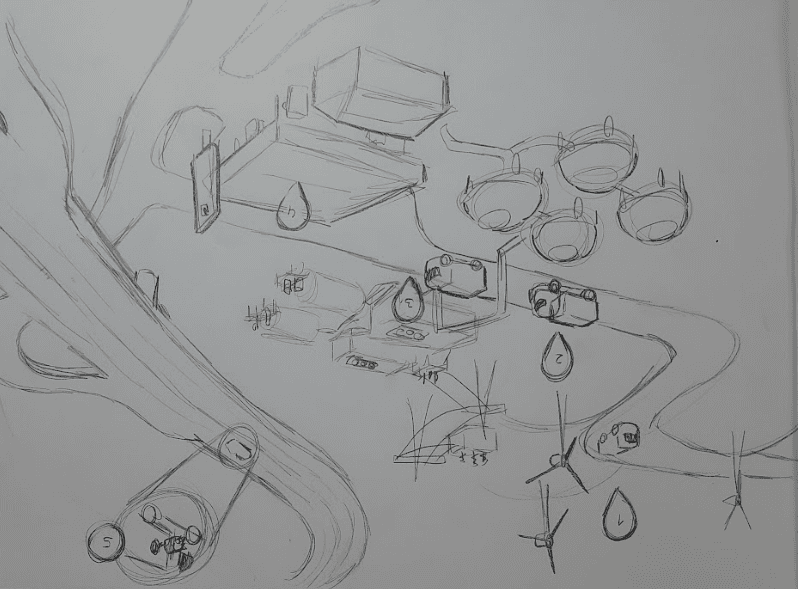
Whitepapers and Press Kits
Parallel to concepting the content of customers' and internal 3D showrooms, I also co-created the marketing material in order to get investors on-board:
Marketing material in print and video
Proof of concept: MA.X showroom on the web, including 3D modelling and shading
UX/UI Design as well as agile implementation together with partner “stage for comms GmbH”
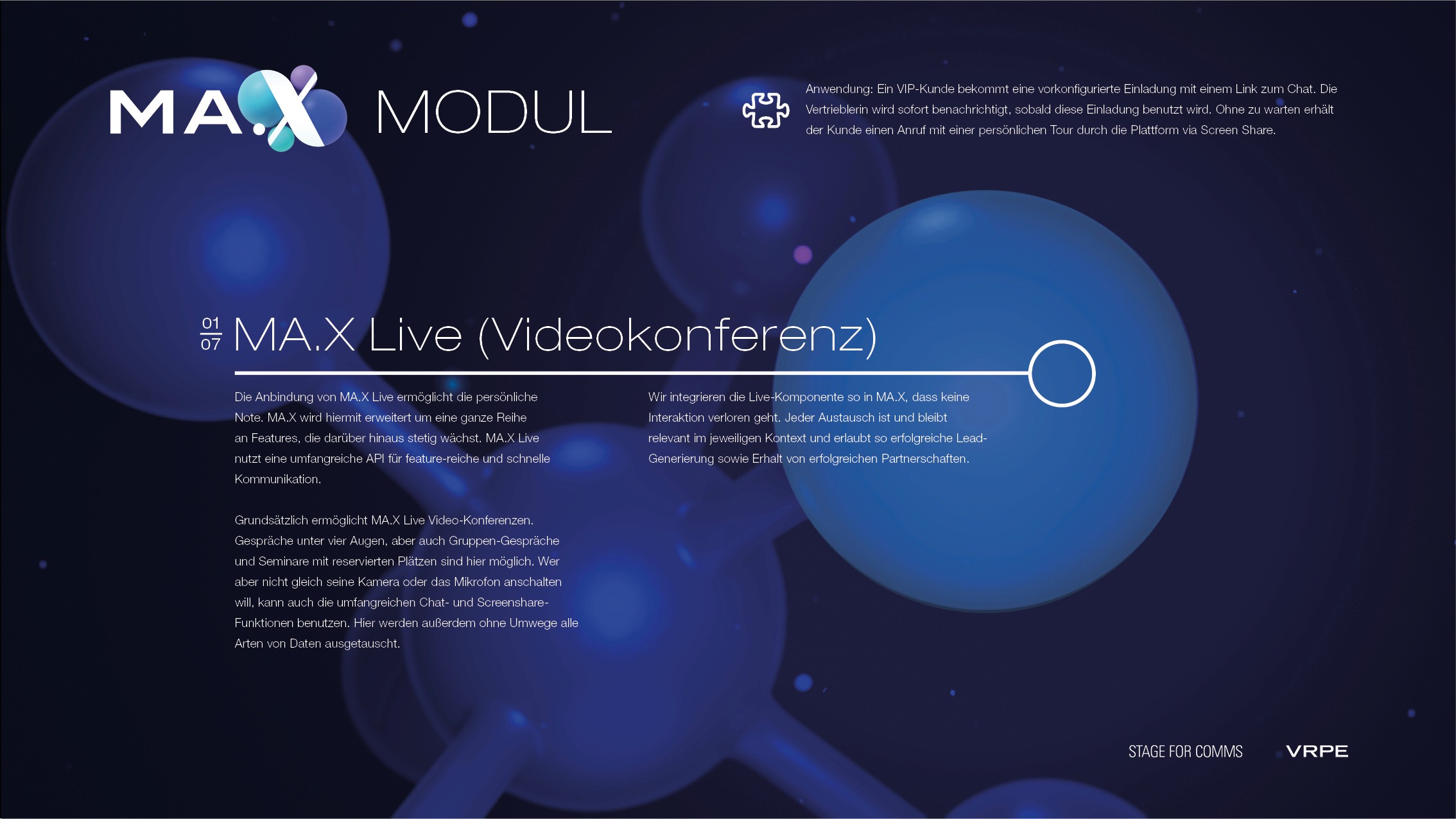
Finally, development of the first released MA.X Module: "MA.X Live"
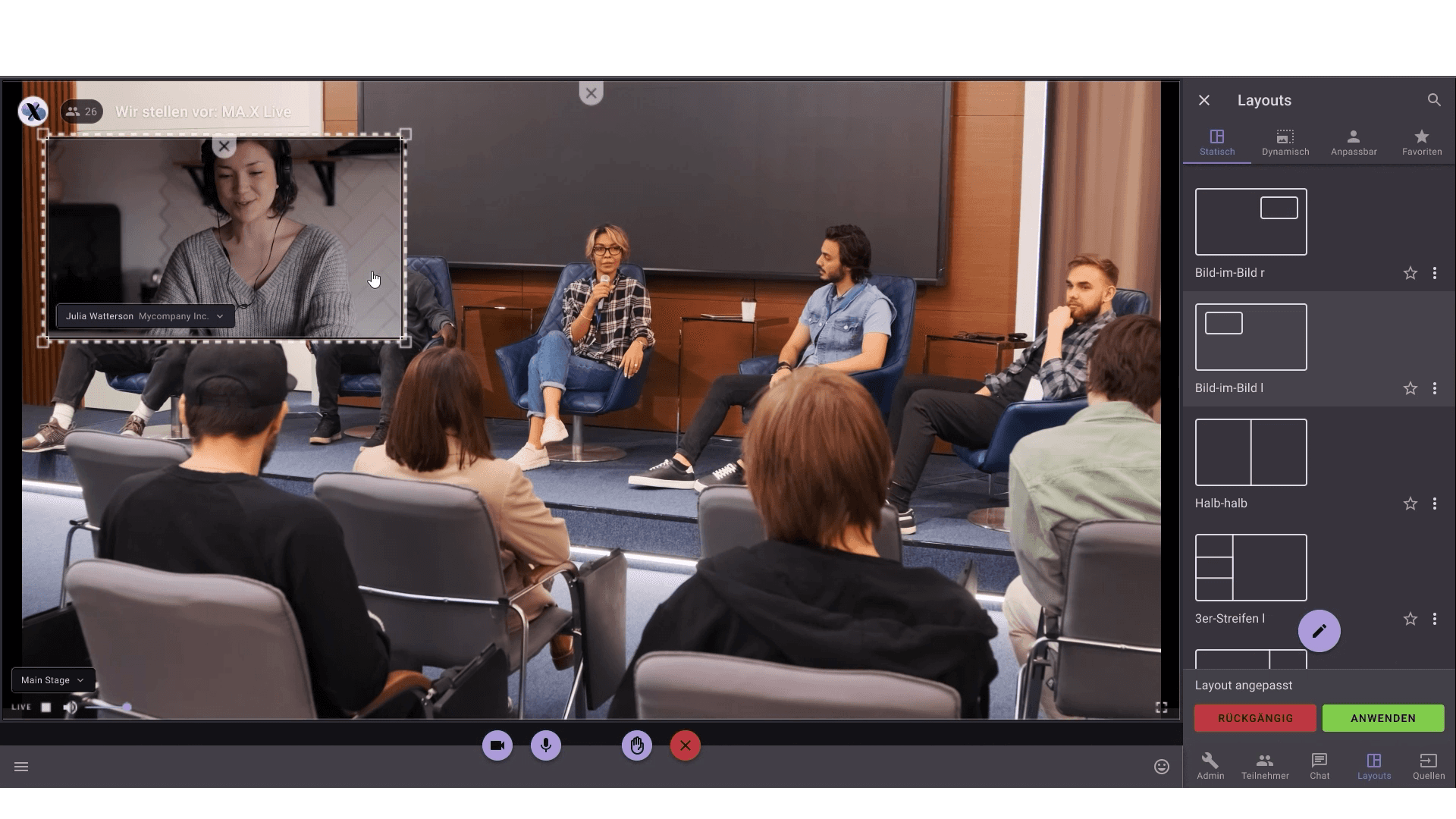
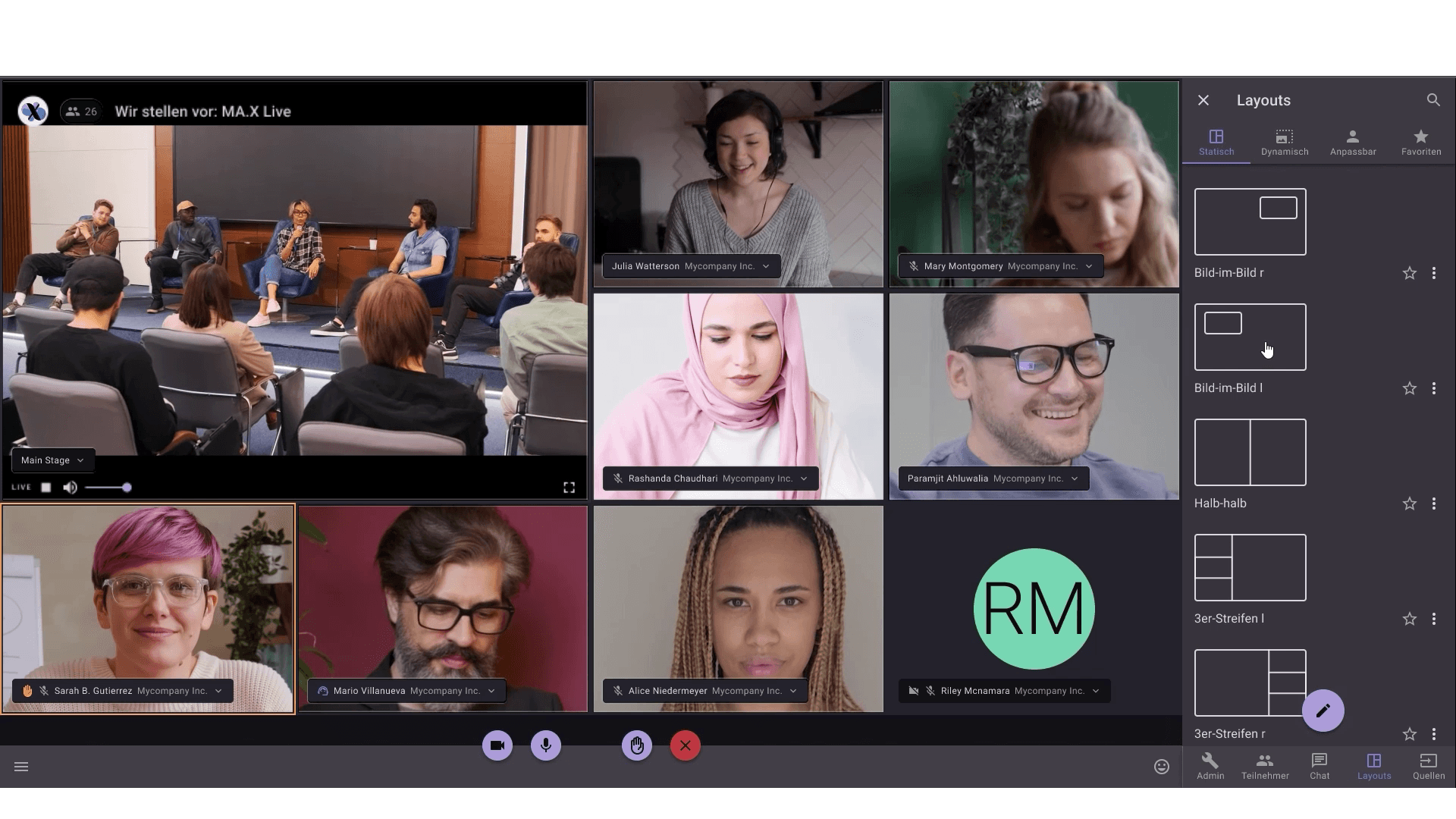
Achievements: MA.X Live-Rollout
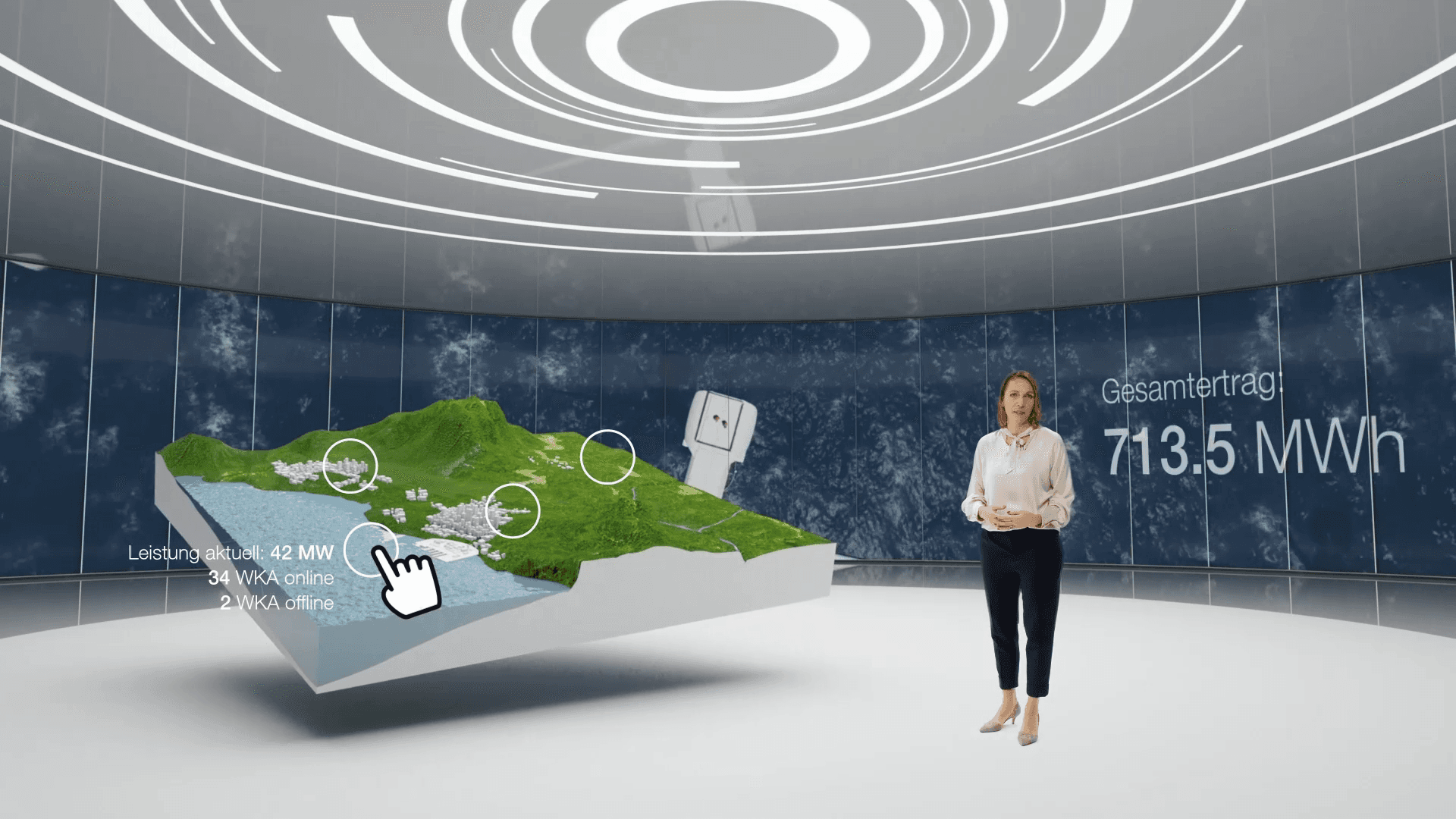
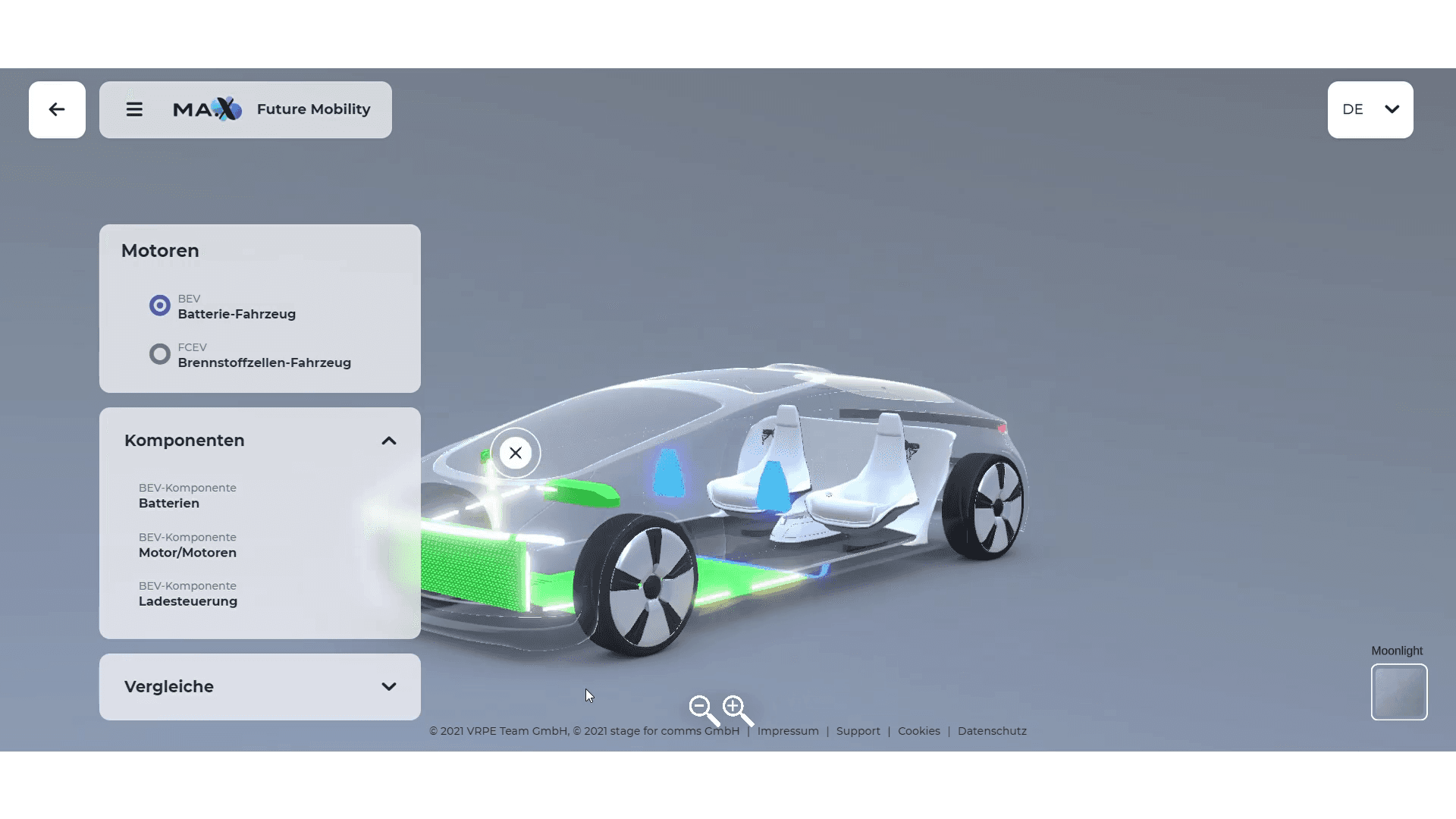
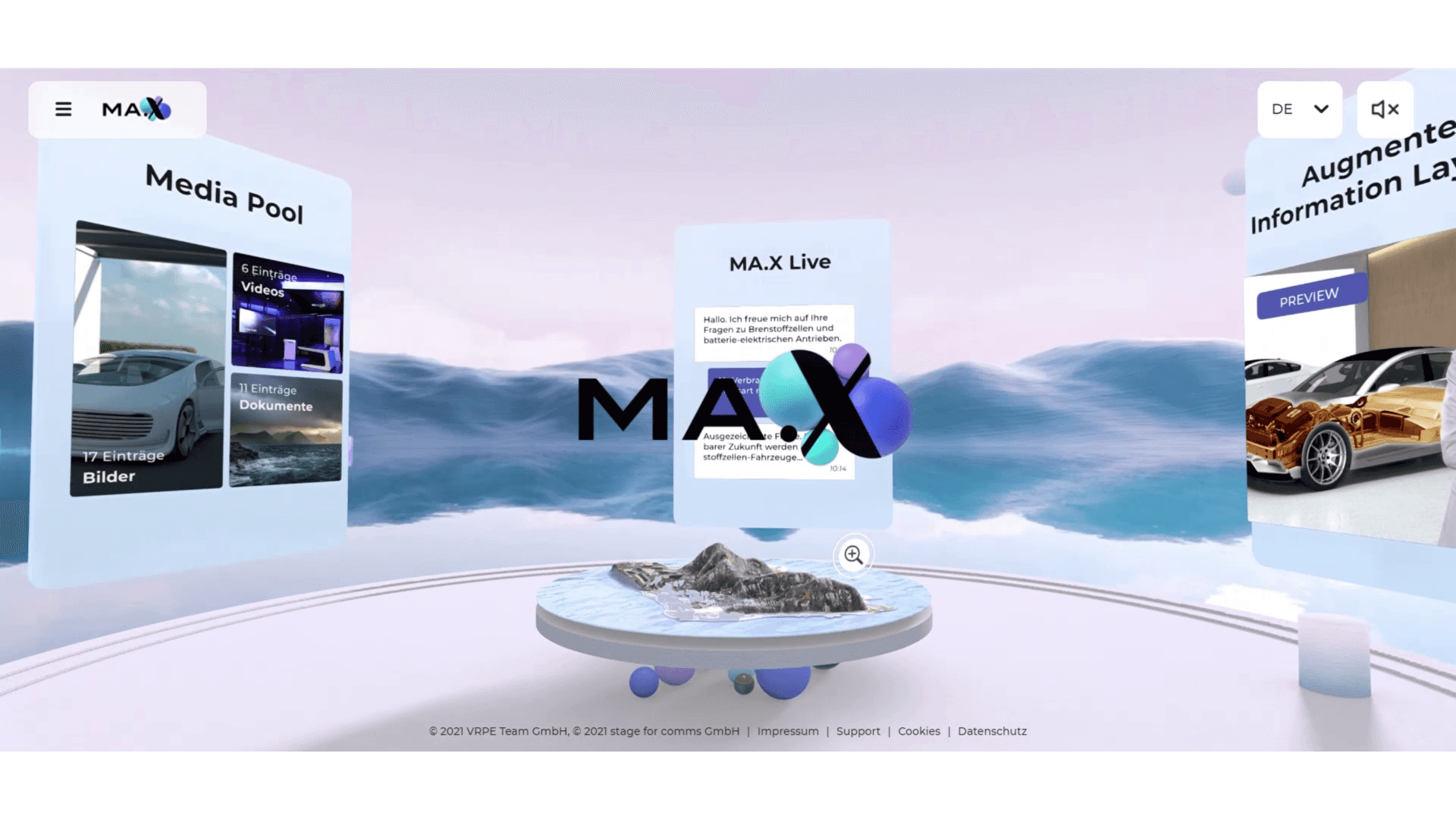
The launch of this bespoke teleconferencing module culminated in a two hour conference hosted for dozens of members of international press as well as 100+ regular viewers (pictured: high fidelity concepts).
Thanks to dedicated stress tests during the design phase and sound-checks on location, the experience exceeded expectations: at the time, the attacks on the Ukraine prompted a higher-than-expected number of viewers and an intense Q-and-A-session for the customer, but all aspects of the app performed as smooth as ever.
Other Projects
User Generated Content Platform
Sometimes the outcome of thorough user research and extensive concept phase is that a product is unfortunately not fit for the market. The success in this case is a prevention of unnecessary expenses or even a dent in the brand’s reputation.
An existing platform wanted to add user generated content-particularly for younger users interested in video games. At this time, the competition set certain expectations which could not be met reasonably with the resources at hand.
For all of 2023, I created extensive and responsive prototypes for all target platforms — testable in Figma as well as implemented in an alpha branch of the platform.
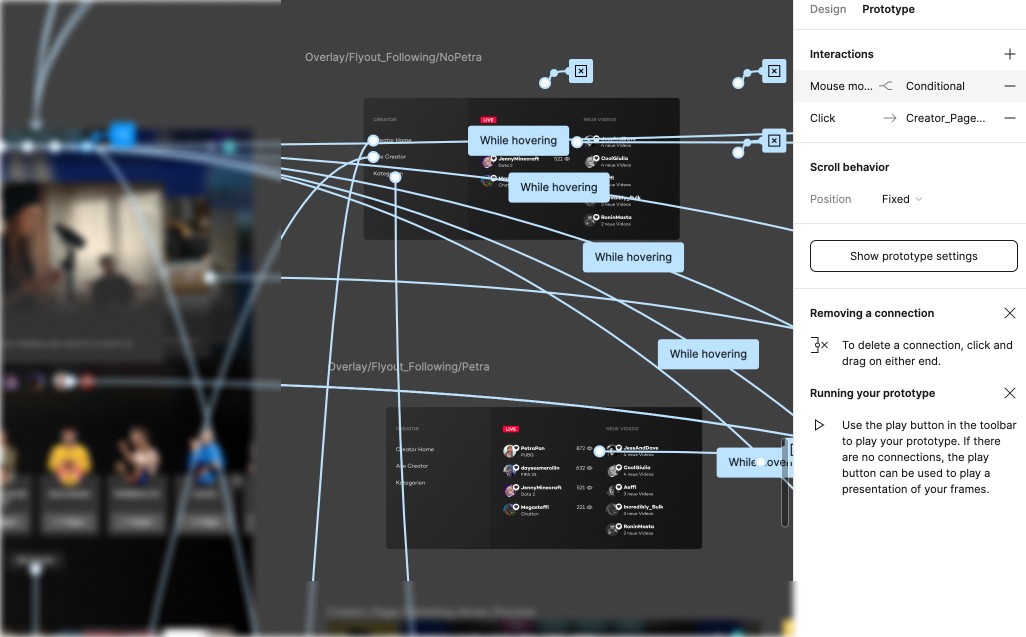
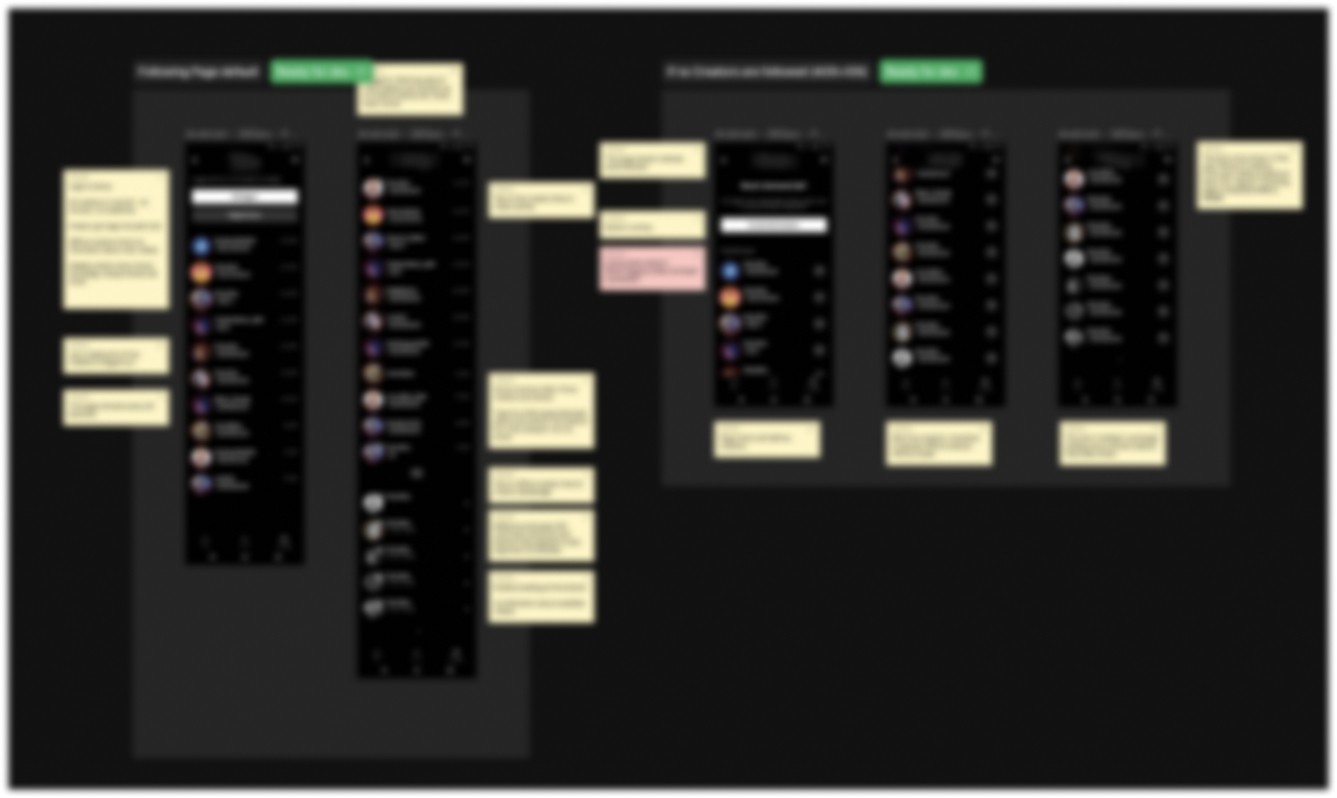
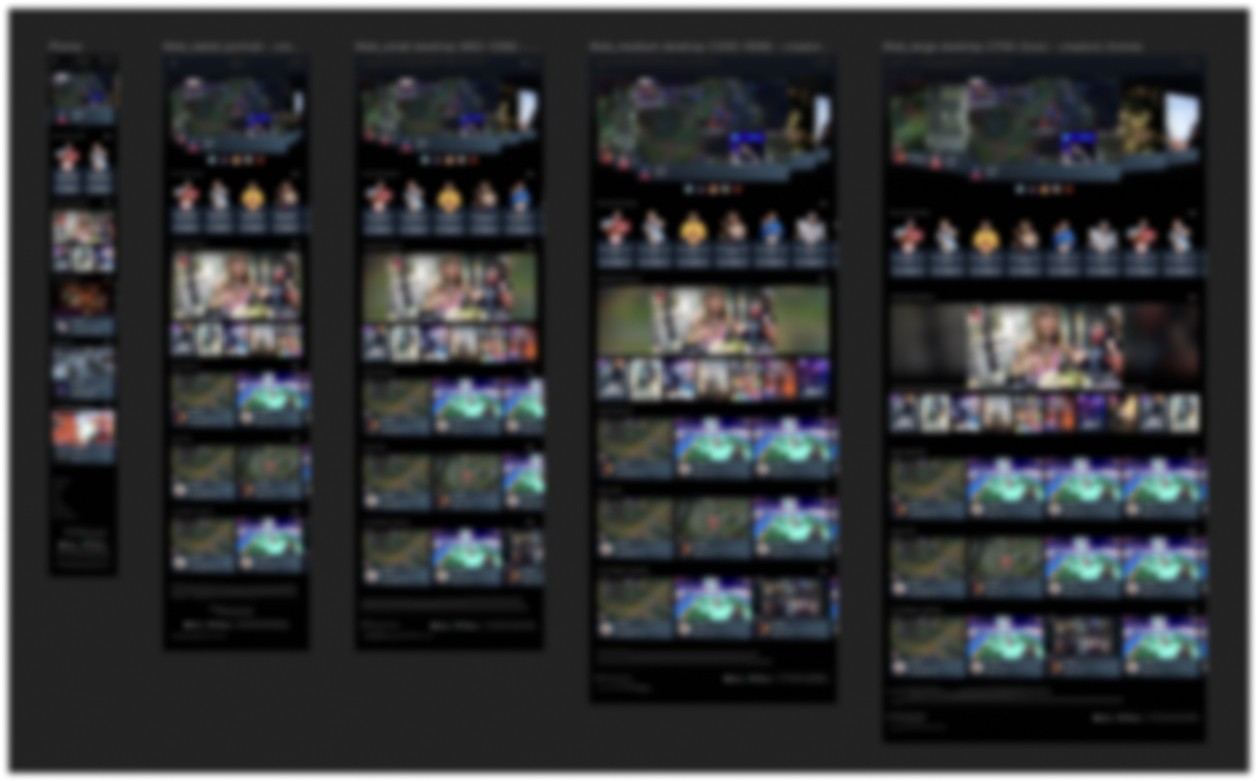
This included simulated payment structures in order to accurately predict the effort of final implementation and maintenance.
At the same time the prototypes were used for qualitative and quantitative user research, like acceptance tests.